

-
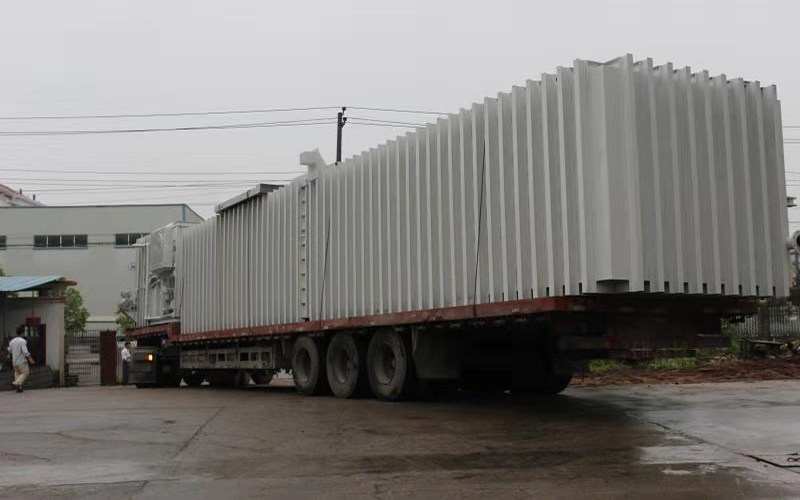
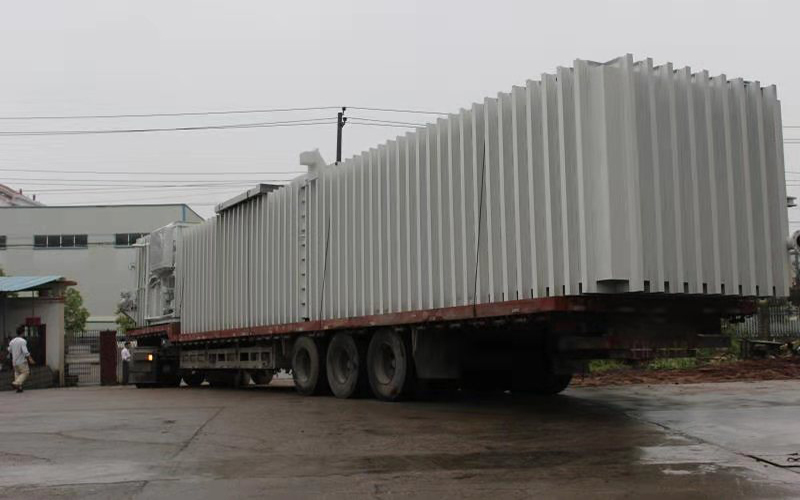
Introduction to Vacuum Pre cooling Machine
A vacuum pre cooling machine is a cooling and processing equipment that utilizes vacuum pre cooling technology to rapidly evaporate water by reducing air pressure, thereby achieving rapid cooling of food and other materials. The following is a detailed introduction about the vacuum precooler:
1、 Working principle
The working principle of a vacuum precooler is based on the physical properties of water: at one standard atmospheric pressure, the boiling point of water is 100 ℃, and the heat of evaporation is 2256kJ/kg. When the environmental pressure decreases, the boiling point of water will also decrease accordingly, and the heat of evaporation will increase. The vacuum precooler uses a vacuum pump to extract air and water vapor from the vacuum chamber, reducing the air pressure inside the vacuum box, lowering the boiling point of water, and increasing the latent heat of evaporation. At this point, the free water on the surface of the cooled object undergoes vaporization, taking away the heat from itself and the surrounding environment, thereby achieving a rapid cooling effect.
2、 Main features
Fast cooling speed: The vacuum pre cooler can quickly reduce the temperature of food to the ideal preservation and refrigeration temperature (usually 0 ℃~4 ℃), with a cooling cycle of more than 20 minutes, from an initial temperature of around 90 ℃ to the preservation and refrigeration temperature.
1. Uniform cooling: During the vacuum cooling process, the cooling temperature of the food depends entirely on the vacuum degree inside the box, which is equal throughout the box, ensuring the uniformity of the food temperature.
2. Maintaining Quality: Vacuum pre cooling avoids problems such as food deformation and discoloration that may occur in traditional cooling methods, and can maximize the preservation of the original quality and taste of food.
3. Extended shelf life: The physiological changes in food after cooling are slowed down, which can extend the storage or shelf life of the product.
4. Avoiding secondary pollution: After the vacuum pre cooler is cooled, the box is pressurized and fed in. The air filled in is filtered according to food safety standards and contains almost no suspended dust, effectively avoiding secondary pollution of food by dust suspended in the air.
5. Improve production efficiency: The vacuum pre cooler is easy to operate and has a high degree of automation, which can greatly improve the efficiency of food production.
3、 Application Fields
Vacuum pre cooling machines are widely used in the production and processing of various fresh agricultural products and cooked food products, including but not limited to:
1. Vegetables: leafy vegetables, stem vegetables, cauliflower, mushroom vegetables, etc.
2. Staple food: rice, noodles, Mantou, corn and other staple foods, as well as dumplings, sushi, preserved fruit and other processed foods.
3. Poultry: steamed or grilled chicken and duck, as well as cooked foods such as salted goose.
4. Meat products: steamed pork, beef, sheep, rabbit meat, etc.
5. Fish and shrimp: river fish, sea fish, shellfish, shrimp, crabs and other seafood.
6. Fried foods: fried foods, fried meatballs, etc.
7. Baking products: mooncakes, cakes, bread, egg yolk pies, and other baked goods.
8. Filling materials: moon cake filling, dumpling filling and all kinds of conditioning food.
In addition, vacuum precoolers can also be applied for cooling treatment in industrial fields such as chemical high-temperature materials, crystals, and metal casting sand.
4、 Equipment parameters
The parameters of a vacuum precooler may vary depending on the model and manufacturer, but typically include the following aspects:
Capacity: Usually measured by the quantity or weight of food suitable for processing, common units of capacity include kilograms, tons, or processing capacity per hour.
Working temperature: refers to the temperature range for rapid cooling in a vacuum environment, depending on the type and requirements of the food being processed.
Vacuum degree: Usually expressed in pressure units (such as pascals) or vacuum degree levels (such as absolute pressure), the level of vacuum directly affects the cooling effect.
Cooling time: depends on the design and specifications of the equipment, as well as the characteristics of the processed food.
Power: Refers to the electrical demand of a device, usually measured in watts (W) or kilowatts (kW).
Control system: used to monitor and regulate temperature, vacuum degree, time, and other operating parameters, which can be manual or automated.
5、 Operation and maintenance
Pre operation inspection:
Check if the oil level of the compressor, the high and low pressure gauges of the refrigeration system, and the oil level of the vacuum pump are normal.
1. Observe whether the color of the vacuum pump oil is emulsified, and replace it promptly if there is emulsification.
2. Check if the water level in the cooling tower is normal.
Precautions for operation:
1. The machine needs to be operated by trained professionals.
2. During use, the vacuum pump should be regularly emptied to avoid water accumulation that could affect equipment performance.
3. Determine the pre cooling time based on the properties of the cooled object and set the temperature parameters reasonably.
Maintenance and upkeep:
1. Regularly clean and disinfect the equipment to maintain its hygiene.
2. Regularly check whether the various parameters of the equipment are normal, and promptly handle any abnormalities.
3. Perform regular maintenance and upkeep according to the equipment manual to extend the service life of the equipment.
6、 Development Trends
With the rapid development of cold chain logistics and the continuous improvement of consumers' requirements for food quality, the application prospects of vacuum pre cooling machines in the field of food preservation are becoming increasingly broad. In the future, vacuum pre cooling machines will develop towards higher efficiency, intelligence, and environmental friendliness, providing more reliable technical support for food preservation.
In summary, vacuum pre cooling machine is an efficient and reliable cooling processing equipment that plays an important role in the field of food preservation. By delving into its working principle, characteristics, application areas, and operation and maintenance methods, we can better leverage the advantages of vacuum pre cooling machines and provide better solutions for food production.
-
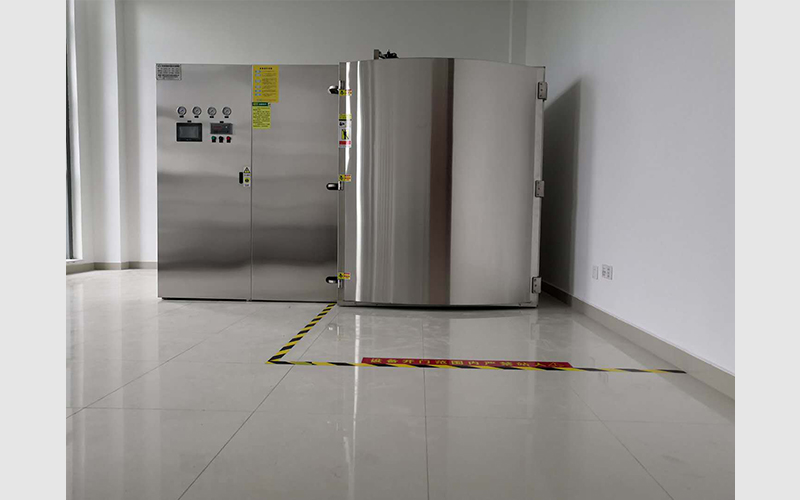
Introduction to Archive Insecticidal Disinfection Machine
Archive insecticidal disinfection machine is a specialized equipment for insecticidal, sterilization, and disinfection of paper-based and special materials such as archives, cultural relics, and books. It uses physical or chemical methods to kill pests, molds, and microorganisms, ensuring the long-term safe storage of archives. The following provides a detailed introduction from five aspects: technical principles, functional characteristics, application scenarios, usage precautions, and mainstream market devices:
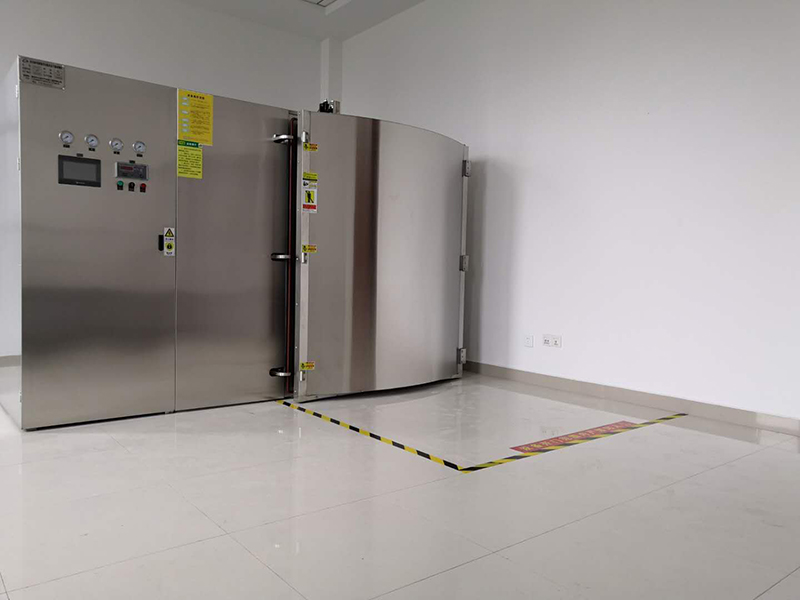
Vacuum nitrogen filling insecticidal sterilization and disinfection machine
1、 Technical principles
1. Low temperature freezing method
Principle: Using low temperature (usually below -65 ℃) to destroy the cell structure of pests, causing them to dehydrate, solidify and die, while inhibiting fungal activity.
★ Advantages: No chemical residue, no damage to paper or handwriting, suitable for fragile archives.
2. Vacuum nitrogen filling method
★ Principle: After vacuuming, high-purity nitrogen gas (oxygen content ≤ 0.1%) is injected to suffocate and kill pests due to hypoxia, while inhibiting the reproduction of aerobic bacteria.
★ Advantages: Environmental protection and safety, no harmful substance emissions during the treatment process, and remote control operation.
3. Ozone sterilization method
Principle: The strong oxidizing property of ozone destroys microbial cell walls, rapidly killing bacteria, viruses, and insect eggs.
★ Advantages: Short disinfection time, but sensitive to humidity, requiring strict control of ozone concentration to avoid paper aging.
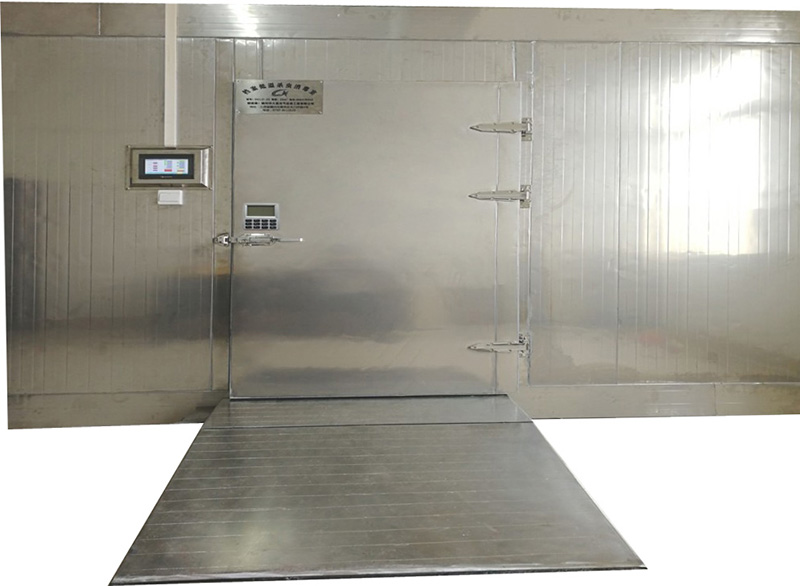
Large scale intelligent low-temperature freezing insecticide disinfection warehouse
2、 Main functions and technical features
1. Core functions
★ Insecticidal sterilization: 100% kill adult insects, larvae, insect eggs, and fungal spores, and block microbial reproduction.
★ Comprehensive protection: dehumidification, mold prevention, dust removal, odor removal, maintaining a stable archive storage environment.
★ Repair function: Some devices can repair damp files and restore paper toughness.
2. Technical features
★ Automation control: The PLC system realizes automatic adjustment of temperature, humidity, and vacuum degree, and supports remote monitoring.
★ Safety and Environmental Protection: Pure physical methods with no chemical residues, nitrogen circulation, low energy consumption.
★ High compatibility: Suitable for various materials such as paper, silk, wood products, leather, etc., without affecting the physical properties of archives.
3、 Applicable scenarios
1. Archives: Precious archives shall be disposed before warehousing, and regularly disinfection and sterilization to prevent moth eaten and mildewed.
2. Library: Disinfect ancient books and rare books to avoid cross infection.
3. Museums: Protect cultural relics from moisture and decay, and maintain the preservation status of collections.
4. Disaster emergency: rescue and repair archives after floods and fires, and suppress mold outbreaks.
4、 Precautions for use
1. Operating standards
Archives should be placed in layers to avoid stacking too densely and affecting disinfection effectiveness.
During disinfection, it is strictly prohibited to open the door to prevent oxygen from entering and damaging the vacuum environment.
2. Security maintenance
Regularly check the vacuum pump and temperature and humidity sensors to ensure equipment accuracy.
★ Operators need to be trained on duty to avoid accidentally pressing the emergency stop button.
5、 Mainstream equipment cases in the market
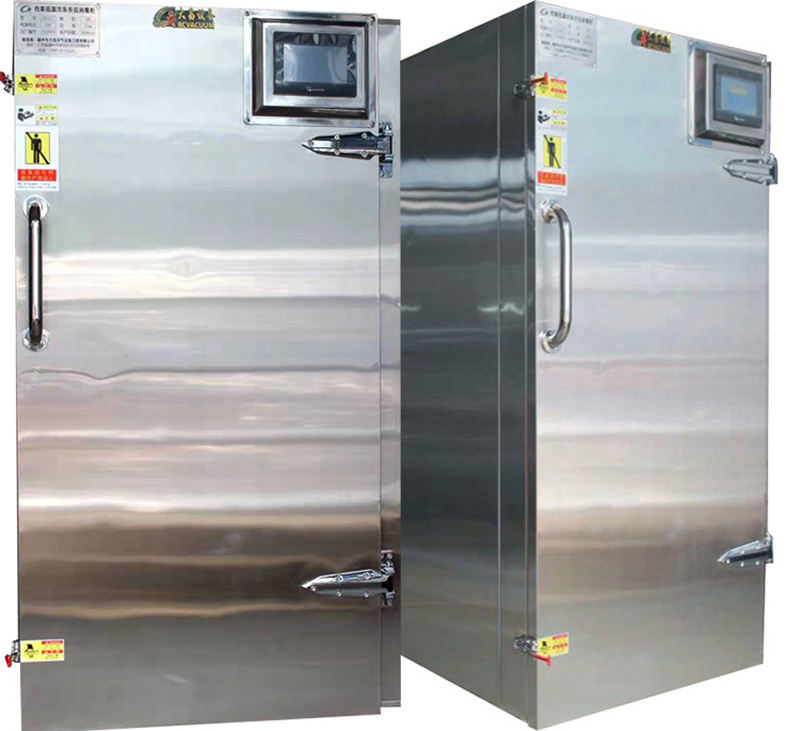
Low temperature freezing ozone disinfection cabinet
Taking the DCZKCD-5 file insecticide and disinfectant machine from Ganzhou Dachang Air Conditioning Equipment Engineering Co., Ltd. as an example:
1. Technical parameters:
★ Capacity: 5 cubic meters, made of 304 stainless steel.
★ Temperature range: -65 ℃ to room temperature, adjustable humidity (35% -60%).
★ Nitrogen purity: 99.99%, vacuum degree ≤ 100Pa.
2. Advantages:
★ Integrated design, equipped with a mobile cart for easy file transfer.
★ Dual mode operation (automatic/manual), supporting data recording and remote communication.
The processing time can be adjusted (15-72 hours), suitable for archives of different sizes.
6、 Industry application trends
1. With the improvement of archive protection standards, insecticidal disinfection machines are developing towards intelligence and environmental protection. For example:
2. IoT integration: Real time monitoring of archive status through sensors, automatically triggering disinfection programs.
3. Green technology: Combining new physical sterilization methods such as microwave radiation and plasma to reduce energy consumption.
4. If you need customized solutions or further understanding of equipment details, it is recommended to contact a professional archive protection equipment supplier and choose the appropriate model according to actual needs.
-
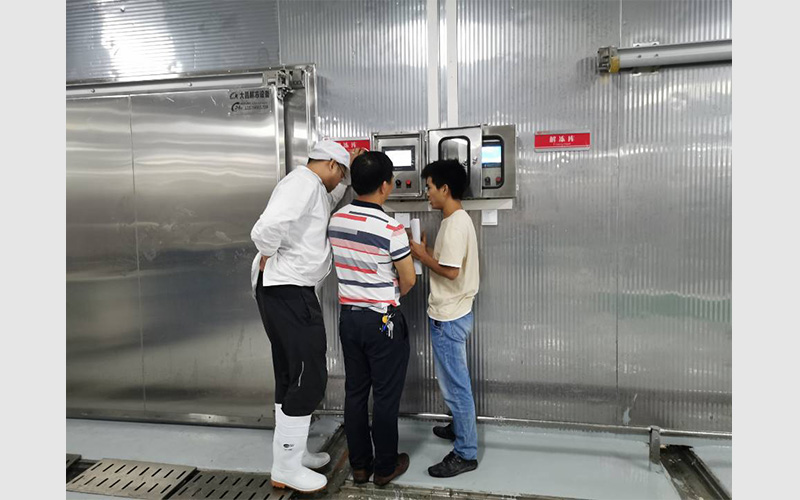
Introduction to equipment for thawing frozen meat
Which device to choose for thawing? Recommend the low-temperature thawing machine of Ganzhou Dachang vacuum air conditioning equipment!
Ganzhou Dachang Air Conditioning Equipment Engineering Co., Ltd. provides various efficient thawing solutions to meet your different needs:
1Low temperature and high humidity thawing equipment
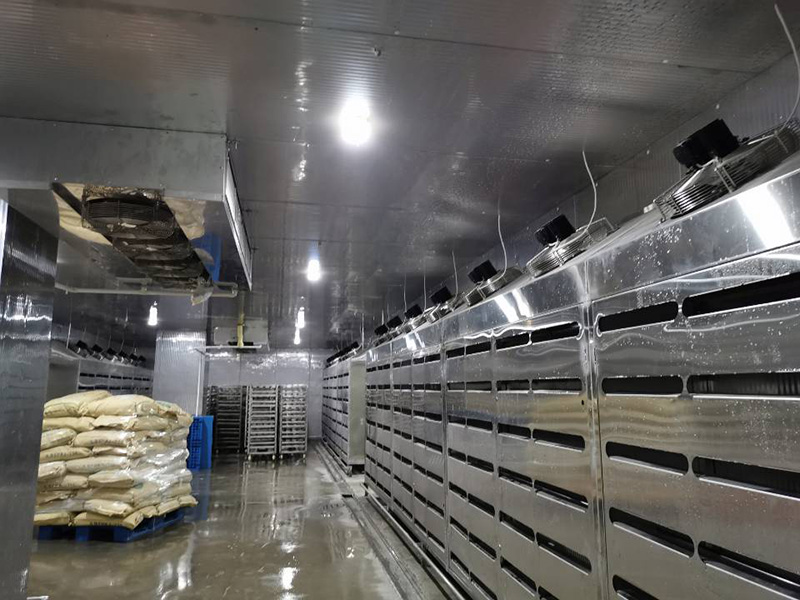
1. Principle:
Adopting low-temperature humidification method to circulate high humidity air in a low-temperature environment, avoiding the surface of thawed products from drying out.
2. Functional features:
Efficient humidifiers ensure humidity requirements at different temperatures and achieve fully automatic thawing.
Short thawing time, good uniformity, low juice loss rate, and fresh meat restoration.
PLC touch screen control, easy to operate, adjustable according to needs.
After thawing, it automatically switches to a refrigerated and fresh state for immediate use and retrieval.
Widely used in food processing industries such as poultry and seafood.
IIVacuum thawing equipment
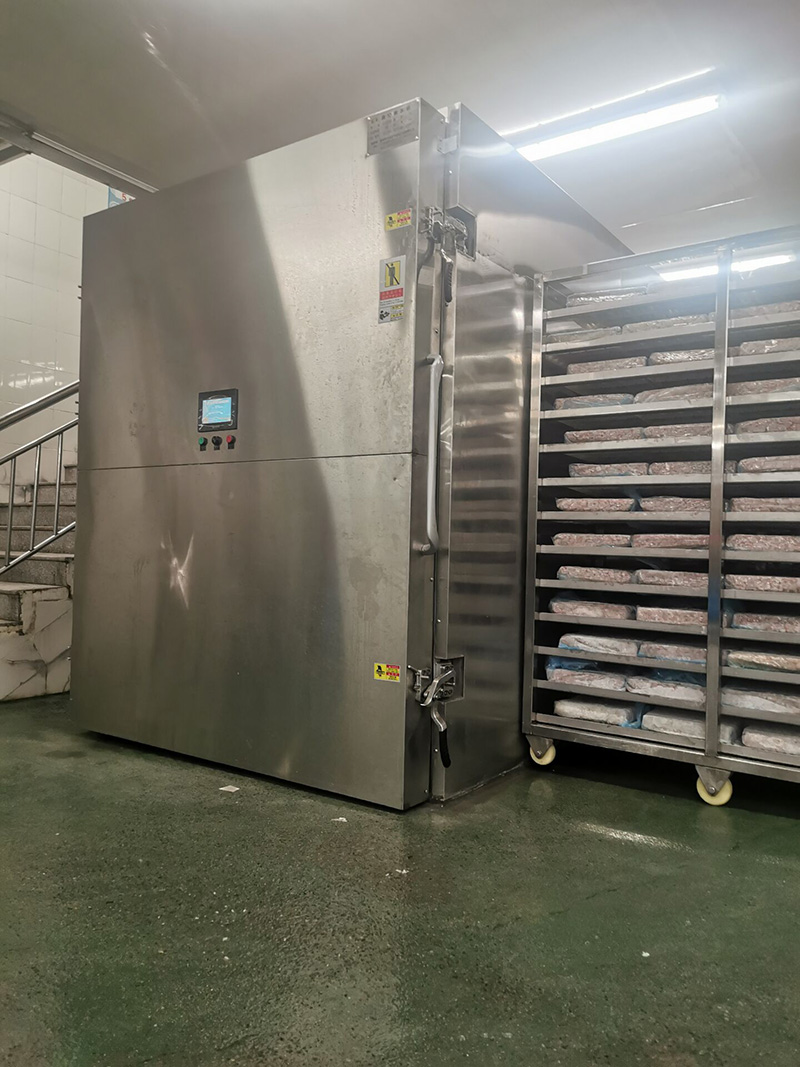
1. Principle:
Patent product, based on the principle of bubble, water bath rapid thawing, protecting the appearance and color of the product.
2. Functional features:
Efficient humidification system, with air humidity reaching over 90% in low-temperature environments.
● Temperature thawing in stages to shorten the time and ensure quality.
Equipped with sterilization and disinfection devices to meet food hygiene requirements.
Simple operation, strong applicability, and small footprint.
DC series low-temperature and high humidity vacuum thawing machine, independently developed, energy-saving and efficient.
3、 Microwave thawing warehouse
summary:
Microwave thawing heats up the frozen material as a whole, with good temperature uniformity, short time, and low bacterial growth.
The recommended thawing temperature is -2 to -4 ℃. The frozen product should have no dripping and can be cut and processed.
After thawing, there is no blood or water, and it is no different from fresh meat products.
4Container type thawing equipment
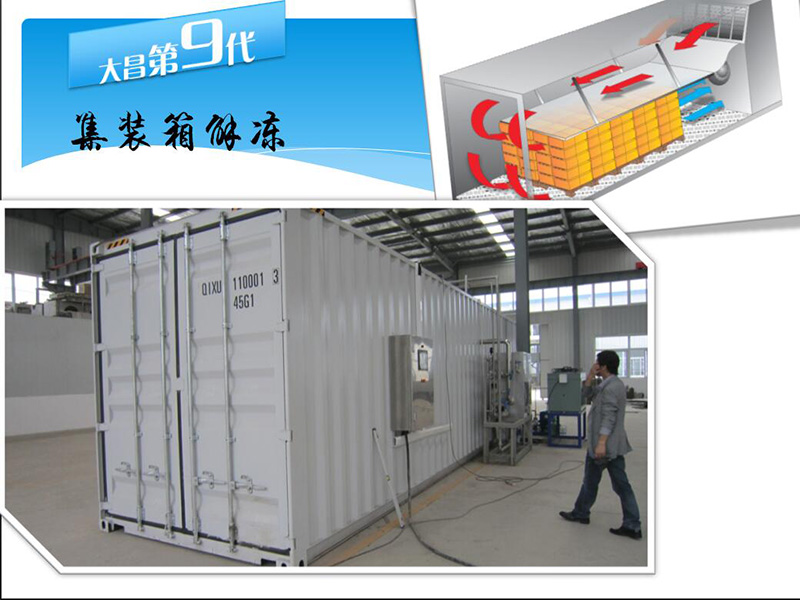
1. Overview:
Adjust the size of the equipment according to the processing time of frozen products to meet the requirements of sea transportation and facilitate transportation.
2. Features and advantages:
Easy to install, can run immediately upon power connection.
● Easy to operate, can be controlled automatically or manually.
● Flexible operation and can be moved at any time.
Suitable for various complex thawing varieties and transportation conditions.
5Nitrogen high-pressure electrostatic frequency conversion thawing equipment
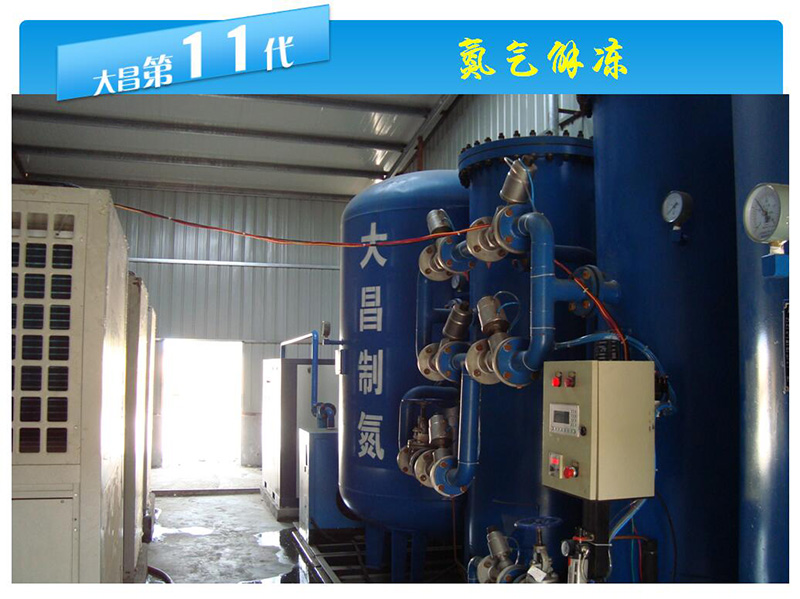
summary:
Remove indoor oxygen through nitrogen to prevent product oxidation.
High voltage electrostatic thawing achieves rapid thawing, resulting in fresh meat color.
● Automatic frequency conversion regulation, suitable for high value-added frozen meat conversion to fresh sales.
Improve food quality, save energy and time.
Choose the thawing equipment from Dachang, Ganzhou to make your food processing more efficient and convenient!
-
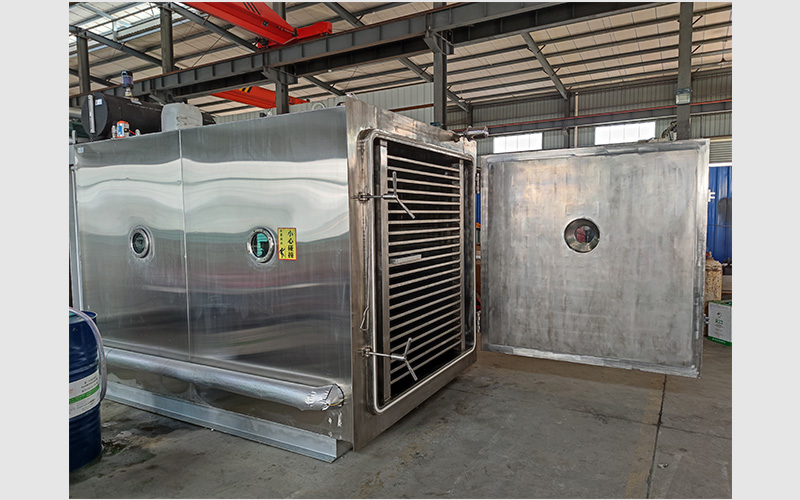
Introduction to Freeze Drying Machine
Freeze dryer, also known as freeze dryer or freeze dryer, is a device used to freeze substances and evaporate them under reduced pressure in a vacuum environment, directly transforming the moisture in the substance from solid to gas (sublimation), thereby achieving the purpose of drying. This technology can maintain the original shape and chemical properties of substances, and is widely used in various fields such as food, medicine, scientific research, electronics, aerospace, etc.
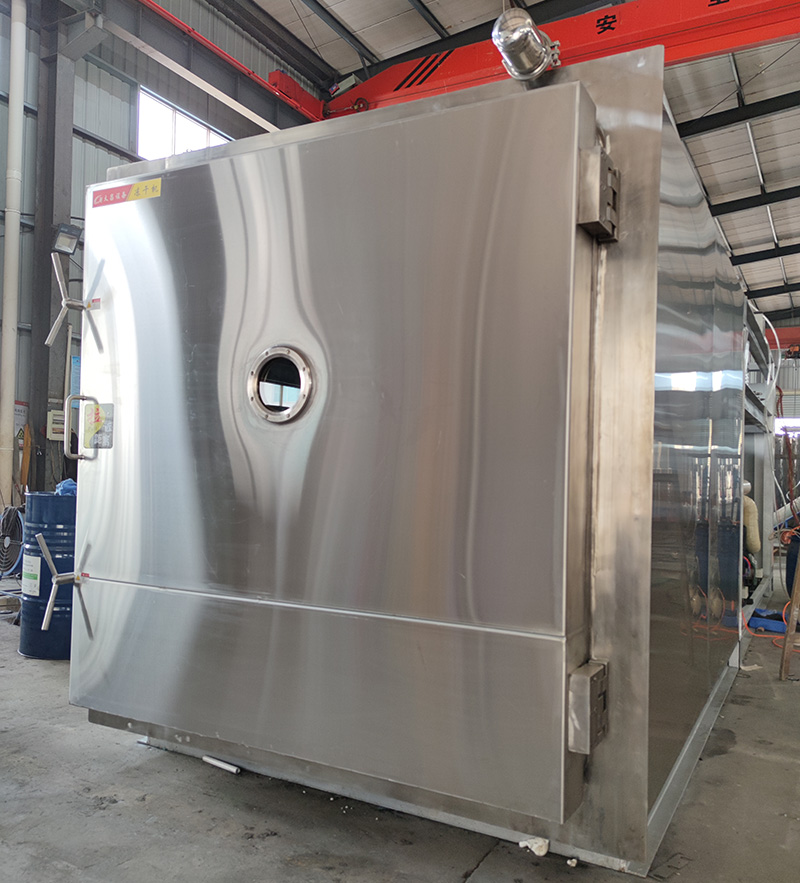
1、 Working principle
1. Pre freezing stage:Place the substance to be processed into the freezing chamber of the freeze dryer, and rapidly freeze it below the eutectic point by controlling the temperature and humidity, causing the moisture in the substance to condense into solid ice crystals.
2. Sublimation stage:In a vacuum environment, the heating system provides sublimation latent heat to the material, causing frozen water molecules to sublime directly into water vapor and escape, bypassing the liquid stage. The vacuum system maintains an appropriate degree of vacuum to facilitate the sublimation process.
3. Analyze the drying stage:After most of the ice crystals in the material have sublimated, the remaining small amount of bound water requires a higher temperature to be removed. At this point, continue heating and maintaining a vacuum environment to further sublime these bound waters, achieving the final drying effect.
2、 Main components
1. Freezing room:It is usually made of stainless steel and has an adjustable temperature and humidity control system inside for placing the material to be processed and pre freezing.
2. Vacuum system:Extract air through pumps (such as rotary vane pumps, Roots pumps, etc.) to create and maintain a vacuum environment to facilitate the sublimation process.
3. Heating system:By conducting, convection, or radiation, heat is transferred to provide the required thermal energy for sublimation and desorption drying stages.
4. Refrigeration system:Provide the required cooling capacity to the cold trap and drying chamber to capture the water vapor generated by sublimation and prevent it from re condensing on the material.
5. Control system:Monitor and adjust temperature, humidity, vacuum and other parameters to ensure control and stability of the drying process.
3、 Technical features
1. Maintain the original shape and chemical properties of the substance:Due to the drying process being carried out at low temperatures, the thermosensitive components in the substance are not easily destroyed and can maintain their original shape and chemical properties.
2. Extend shelf life:Freeze drying can remove moisture from substances, reduce microbial growth and enzyme activity, thereby extending their shelf life.
3. Easy to transport and store:The volume of the dried substance remains almost unchanged, it is lightweight, and easy to transport and store for a long time.
4. Restore original appearance after adding water:After drying, the substance is loose and porous, appearing sponge like. It can quickly and completely dissolve when water is added, restoring its original properties.
4、 Application Fields
1. Food industry:Used for the processing and preservation of fruits, vegetables, meat and other foods. Freeze drying can remove moisture from food, extend shelf life, and maintain the taste and nutritional value of food.
2. Pharmaceutical industry:Used for the preservation and production of bioactive substances such as drugs, biological products, and vaccines. Freeze drying can maximize the biological activity of these substances and facilitate storage and transportation.
3. Research field:Used for samples that require drying, such as chemicals, soil, minerals, etc. Freeze drying plays an important role in these experiments, as it can maintain the original structure and chemical properties of the sample.
4. Electronic industry:Used for the manufacturing of electronic components and circuit boards. Freeze drying can remove moisture and avoid the impact of moisture on the performance of electronic components.
5. Aerospace field:Used for the production of high-precision and high reliability mechanical components and materials. Freeze drying can ensure the quality and performance of these materials.
5、 Operation precautions
1. Sample pretreatment:Select appropriate methods for pre-treatment based on sample characteristics, such as reducing sample temperature or adding protective agents.
2. Equipment inspection:Before starting, check whether the vacuum pump, refrigeration system, heating system, etc. are working properly, and ensure that all external bottle rubber valves, instrument outlet valves, etc. are closed.
3. Operation process:Follow the operating procedures for pre cooling, vacuum pump preheating, sample placement, process definition, etc., and set appropriate temperature, vacuum degree, and time parameters.
4. Security maintenance:Use a grounded power socket, keep the sealing ring clean, regularly replace the vacuum pump oil, and avoid frequent power and refrigeration.
6、 Market situation
There are many brands in the freeze dryer market, with prices ranging from tens of thousands to millions of yuan, depending on factors such as model, capacity, and performance. Well known brands such as Yadu, Delma, Xinzhi, etc. have high visibility and user reputation in the market.
7、 Summary
Freeze dryer is an efficient and energy-saving drying equipment widely used in various fields. Its unique working principle and technical characteristics enable the dried substance to maintain its original shape and chemical properties, extend its shelf life, and facilitate transportation and storage. With the continuous advancement of technology and the increasing demand for applications, freeze dryers will play an important role in more fields.
-
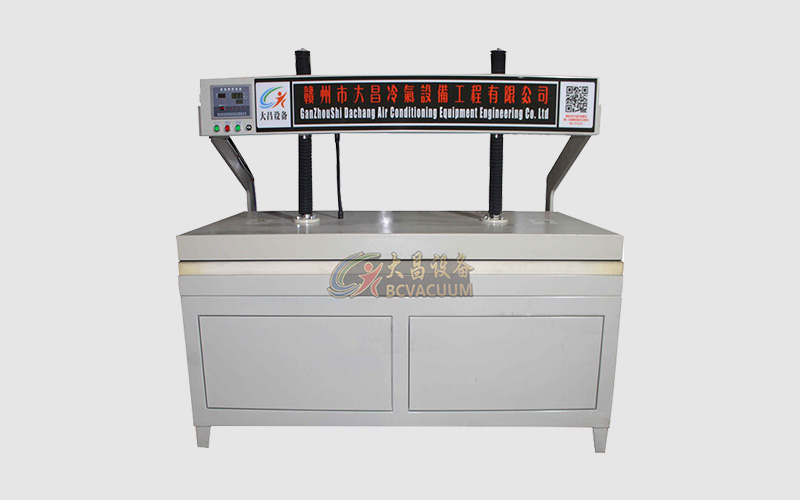
Introduction to Equipment for Restoration of Cultural Relic Archives
Dachang Company (such as Ganzhou Dachang Equipment Company) is a professional manufacturer in the field of cultural relics, archives, and book protection and restoration equipment. Its products include ancient book restoration tables, calligraphy and painting copying workstations, multifunctional restoration workstations, and dust removal and purification equipment, which are widely used in cultural relics restoration scenes in museums, archives, and libraries. The following is a detailed introduction to the equipment:
1、 Ancient Book Restoration Platform and Calligraphy and Painting Copying Workstation
1. Ancient Book Restoration Platform
★ Function: Supports the observation, organization, repair, and mounting of paper documents such as ancient books and archives.
★ Features: Made of steel table frame and melamine panel, equipped with 8mm reinforced safety tempered glass panel, with positioning scale ruler; The tabletop can be adjusted in multiple levels of tilt angle (0-50 °), with built-in energy-saving LED soft light eye protection cold light source, uniform and stable light emission, and supports infinite dimming.
★ Specifications: Desktop size 1500 × 900mm, transparent area 1380 × 780mm, working voltage DC12V, rated power 90W, light source lifespan ≥ 50000 hours.
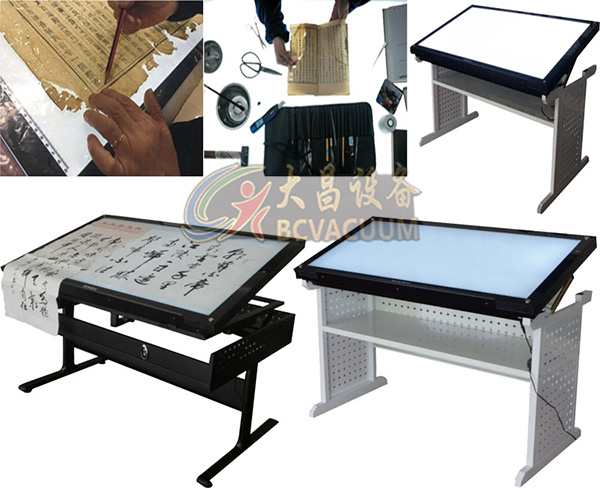
2. Calligraphy and painting copying workbench
★ Function: Used for copying, copying, and repairing long Chinese calligraphy and painting, calligraphy, and ancient books.
★ Features: The desktop size is 2430 × 1230mm, with a transparent area of 2160 × 960mm and a height of 800mm. It adopts ancient wood art craftsmanship to create a transparent tabletop, with a forward and backward ergonomic design, a retro wrought iron back desk frame, a 12V safe low voltage, and an energy-saving LED soft light eye protection cold light source.
★ Scalability: Supports customized sizes to meet different repair needs.
2、 Multi functional repair workbench
1. Function integration
Integrate multiple functions such as observation, copying, copying, repairing, and mounting, suitable for the full process of repairing paper documents.
★ Support composite processes such as low-pressure adsorption, heating, ultrasonic humidification, organic glass dome, drainage, lighting, etc., to meet the needs of complex repair scenarios.
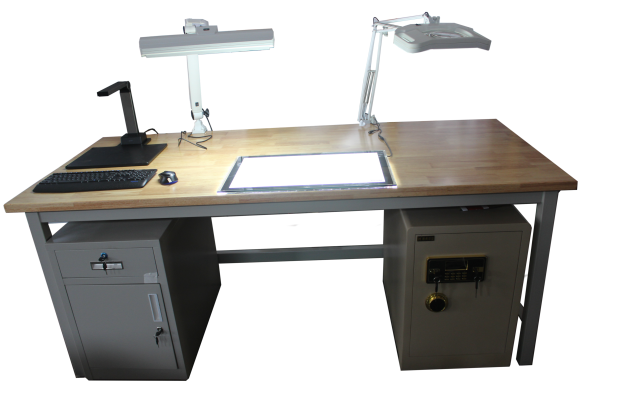
2. Technical parameters
★ Specification: 110 × 150 × 85cm, power supply 220V single-phase, power 2.5kW, suction air volume 215m ³/hour, suction pressure 2500mm water column.
★ Adjustable heating temperature: 90 ℃, controller size 215 × 900 × 200mm.
3、 Dust removal and purification equipment
1. Dust removal and restoration workbench for ancient literature
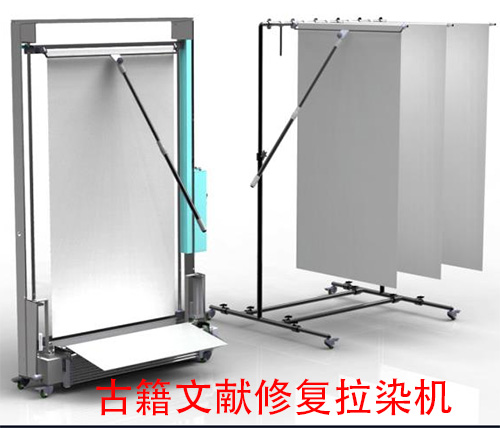
Function:
★ By using negative pressure suction and electronic dust removal technology, dust, oil stains, ink stains and other pollutants on the surface of paper cultural relics can be removed.
★ Integrate modules such as low-pressure adsorption, heating, ultrasonic humidification, organic glass dome, drainage, lighting, etc., to achieve comprehensive repair of paper and fabric.
Features:
★ Silent fan with air volume of 370m ³/h, second speed regulation, noise level less than 45 decibels;
The purification device adopts electronic vacuum cleaner, with a high-efficiency filtration efficiency of>95% (0.3 micron level dust);
The suction surface is treated with stainless steel tabletop spray coating and laser punched micro hole surface design.
★ Paper/fabric multifunctional low-pressure vacuum dust removal, purification, disinfection and repair equipment
Technical Specifications:
Specific specifications and functional modules can be customized according to needs.
4、 Other featured equipment
1. Archive, cultural relics, and book mounting, flattening, drying, and restoration machine: providing various models such as pneumatic dehumidification, electric dehumidification, and economical models to meet different mounting and flattening needs.
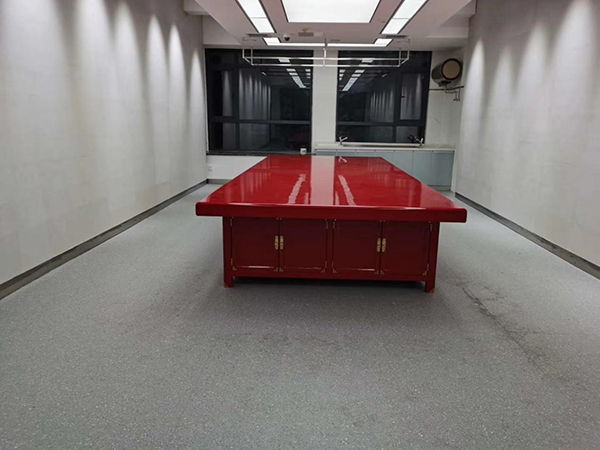
3. Red lacquer table and exquisite storage cabinet for cultural relics and ancient books: specially designed for the display and long-term preservation of cultural relics and ancient books, combining traditional craftsmanship with modern protective technology.
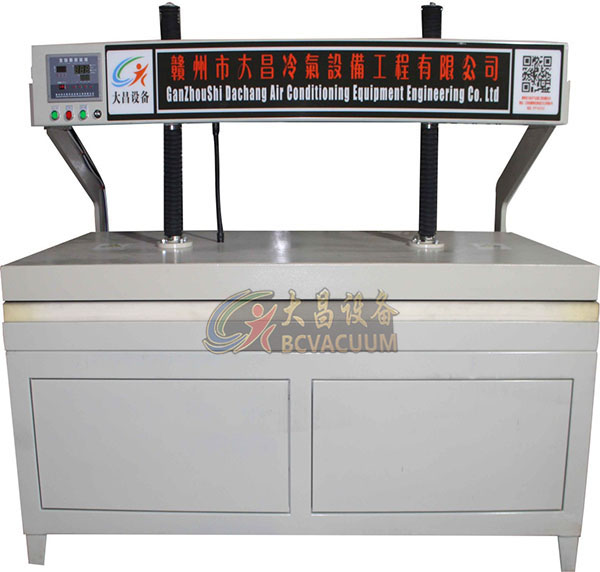
5、 Equipment advantages
1. Safe and reliable: Adopting 12V safe low voltage, built-in energy-saving LED soft light eye protection cold light source, low voltage and weak current design, ensuring safe operation.
2. Strong durability: The table frame is made of wrought iron rectangular steel bracket or high-quality steel table frame, with full welding process, firm, smooth and beautiful welding points, and has scratch resistance performance.
3. Humanized design: desktop load-bearing capacity ≥ 60 kilograms, equipped with large storage compartments for easy storage of tools and materials; The bottom of the table leg bracket is made of plastic wood adjustment screws, which facilitate horizontal adjustment and ensure overall structural stability.
4. Professional certification: The company has passed ISO9001:2000 quality management system, ISO4001:2004 environmental management system, and GB/T28001-2001 occupational health and safety management system certification, ensuring product quality.
The following is a video related to the cultural relic archive restoration equipment produced by Dachang Company, providing an introduction to multifunctional ancient book restoration tables, cultural relic restoration tables, and other equipment for reference:
-
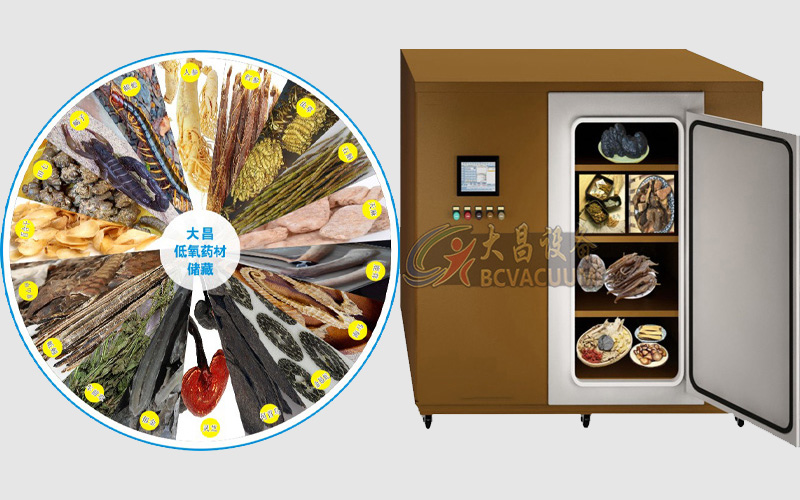
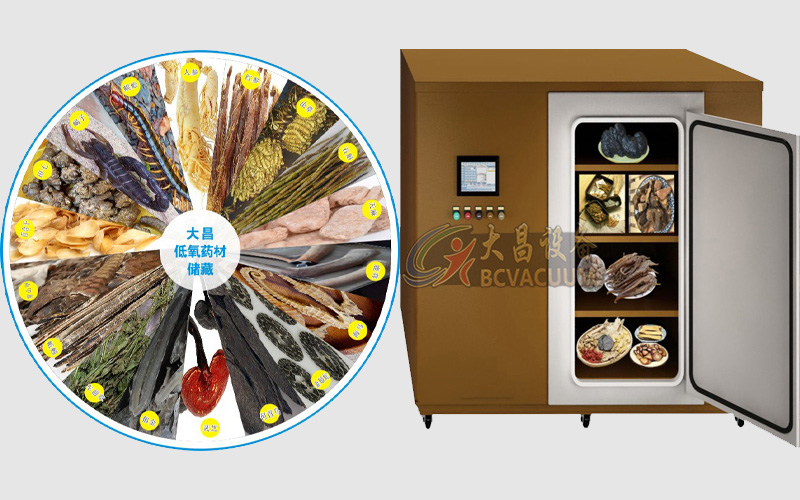
Introduction to Low Oxygen Insecticidal Storage Cabinet
Dachang Low Oxygen Insecticidal Storage Cabinet is a professional equipment that integrates insecticidal, antibacterial, and preventive storage protection functions. It is designed for the long-term preservation of precious items such as cultural relics, archives, and books. The following provides a detailed introduction from three aspects: technical principles, functional characteristics, and application scenarios:
1、 Technical principles
1. Low oxygen controlled atmosphere technology
By replacing the air inside the insecticide storage cabinet with nitrogen, the oxygen concentration is reduced to 0.1% to 3% (adjustable according to demand), creating a low oxygen environment. Pests suffocate and die due to lack of oxygen, while inhibiting microbial growth, achieving insecticidal, antibacterial, and antifungal effects.
2. Normal pressure operation
Operate under normal pressure to avoid mechanical damage to cultural relics, archives, and other items due to pressure changes, ensuring safety.
3. Intelligent control
Equipped with nitrogen generator, humidity control system, safety protection alarm system, etc., to achieve precise control and real-time monitoring of environmental parameters.
2、 Functional Features
1. Dual functions of insecticidal and antibacterial
Efficient insecticide: When the oxygen content drops below 0.5%, pests can die within 2-10 days.
Antibacterial and mildew proof: Low oxygen environment inhibits the growth of microorganisms such as mold and bacteria, extending the shelf life of items.
2. Preventive storage protection
● Constant humidity control: humidity range of 30%~65% (customizable), to prevent paper cracking, metal corrosion, etc.
● Temperature control (optional): In conjunction with a constant temperature system, maintain the stability of the storage environment.
Pollution purification: Optional air filtration module can be equipped to remove harmful gases and particulate matter.
3. Safety and Environmental Protection
No chemical residue: Physical insecticidal method to avoid damage to items caused by traditional chemical fumigation.
● Safety protection: Equipped with low oxygen warning and emergency oxygenation system to ensure the safety of operators.
Energy saving and environmental protection: nitrogen recycling to reduce energy consumption.
4. Intelligent management
Remote monitoring: supports real-time viewing of device operating status through mobile apps or computer terminals.
Data recording: Automatically record parameters such as temperature, humidity, oxygen content, etc., and generate storage reports.
Automated operation: One click start of insecticide and storage mode, simplifying the operation process.
3、 Application scenarios
1. Cultural relic protection
Suitable for insecticidal, antibacterial, and long-term storage of organic collections such as calligraphy and painting, books, archives, silk fabrics, leather products, and animal and plant specimens.
2. Archive management
Protect paper archives, ancient books, documents, etc. from pests and mold.
3. Preservation of Library Collections
Provide a low oxygen and constant humidity storage environment for books, journals, etc.
4. Museums and exhibitions
Insecticidal treatment should be carried out before the display of cultural relics, and they should also be used as storage equipment.
4、 Product advantages
Efficient pest control: reduce oxygen content to below 0.5% and kill pests within 2-10 days.
Zero damage: Operating under normal pressure to avoid mechanical damage to items caused by pressure changes.
● Environmental safety: non-toxic, harmless, in line with cultural relics protection and environmental protection requirements.
Flexible configuration: Cabinet, ledger, or warehouse style can be selected according to needs to accommodate collections of different sizes.
5、 Technical parameters (example)
Oxygen content control range: 0.1%~21%
Relative humidity control range: 30%~65% (20 ℃), customizable
Nitrogen purity: 99.99%
● Working mode: Intelligent control, supporting manual/automatic switching
Applicable collections: Moths, bark beetles, termites, beetles and other pests, as well as their eggs, pupae and larvae
6、 Application Cases
National Museum: Used for insecticide and long-term storage of precious cultural relics.
Provincial Archives: Protect historical archives from pest erosion.
University Library: Provide a low oxygen storage environment for ancient and rare books.
Summary: The Dachang low oxygen controlled insecticidal storage cabinet achieves efficient, safe, and environmentally friendly insecticidal and storage protection through low oxygen controlled atmosphere technology. It is widely used in cultural relics, archives, books, and other fields, providing reliable guarantees for the long-term preservation of precious items.
-
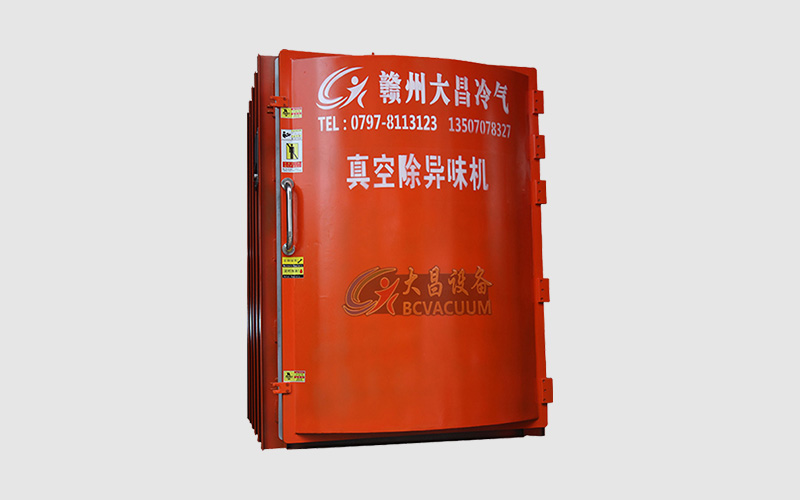
Introduction to Vacuum Odor Removal Machine
Dachang Vacuum Odor Removal Machine is an efficient and professional odor removal equipment widely used in industries such as food packaging, printing, tobacco, furniture manufacturing, etc. It quickly removes odor substances from products through vacuum deodorization technology, improving product quality and production efficiency.
1、 Product Overview
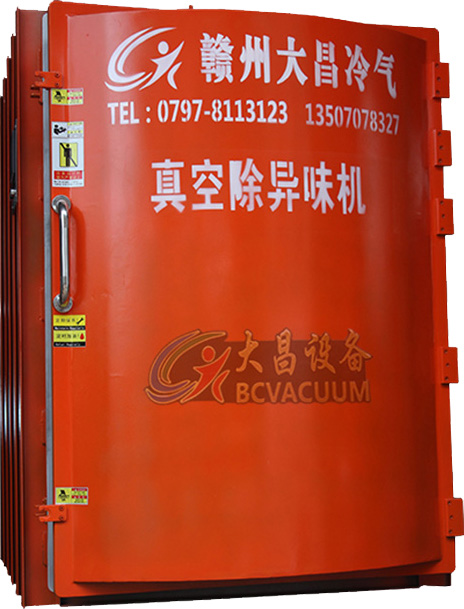
The Dachang vacuum deodorization machine adopts vacuum dynamic pressure technology to keep the product in a vacuum state. Through the pressure difference, the odor substances are quickly removed from the adsorption surface and discharged outdoors by the vacuum pump, thus achieving efficient deodorization. This device is suitable for quickly removing various volatile organic compounds (VOCs) such as benzene, toluene, formaldehyde, ethylbenzene, butanone, etc. from materials such as cigarette label paper, food packaging paper, tableware, artificial boards, furniture, etc.
2、 Technical parameters
Model: DC type (such as DC-15)
Vacuum box volume: 15 m ³
Processing capacity: 3-5 tons
Processing time: 1-2 hours
Ultimate vacuum degree: ≤ 400 Pa
Vacuum extraction time to the limit: ≤ 15 minutes
Installed power: 14 kW (380V)
Total weight: 7.5 tons
Configuration: Electric lifting ramp, efficient vacuum pumping device, fast inflation system, PLC/touch screen control system
3、 Product Features
Efficient deodorization: Vacuum dynamic pressure technology ensures the rapid removal of odorous substances, with high and uniform deodorization efficiency, significantly reducing deodorization time and improving production efficiency.
Intelligent control: Equipped with advanced PLC and touch screen control system, users can set their own processing methods and time according to process requirements, making operation simple.
Flexible customization: Supports customization of multiple specifications, including optional infrared heating devices, multi vacuum box parallel systems, vacuum box infrared video security monitoring systems, etc., to meet different production needs.
Energy saving and environmental protection: The high-efficiency vacuum pumping device and rapid inflation system reduce energy consumption and meet environmental protection requirements.
Safe and reliable: Equipped with both automatic and manual operating systems, as well as pressure and time dual control systems, ensuring the safe and stable operation of the equipment.
Wide applicability: Suitable for odor removal of various materials such as cigarette label paper, food packaging paper, tableware, artificial board, furniture, etc., supporting the treatment of multiple volatile organic compounds.
4、 Application Fields
Tobacco industry: Remove odors from cigarette label paper and cigarette joint paper, in compliance with the "Limit Index for Volatile Organic Compounds (VOCs) in Cigarette Strips and Paper Packaging Materials" standard.
Food packaging: Remove odors from food packaging paper and improve the hygiene and safety of packaging materials.
Furniture manufacturing: Removing harmful gases such as formaldehyde from artificial boards and furniture to improve indoor air quality.
Printing industry: Remove ink odor from color printed products and printed materials to improve product quality.
-
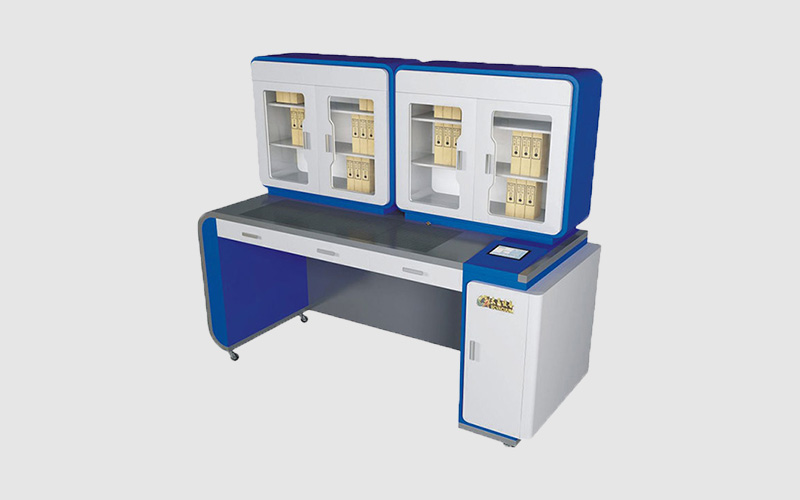
Introduction to Dust Removal, Disinfection and Purification Equipment
Dachang dust removal, disinfection, and purification equipment is a professional device designed specifically for archives, libraries, museums, and other places. It integrates dust removal, disinfection, and purification functions, and is committed to protecting the integrity and safety of archives, cultural relics, books, and other items. The following provides a detailed introduction from the aspects of device types, technical characteristics, and application scenarios.
1、 Equipment type
1. Archive dust removal room
Function:
Dust and disinfect archives through air shower and dust removal cabinet.
Features:
The air shower room can remove dust and bacteria from the surface of personnel's bodies before entering the archive room.
The dust removal cabinet adopts high-efficiency filters and ultraviolet disinfection lamps to effectively remove dust and bacteria from the archives.
Application:
Archives, libraries, and other places that require the protection of paper materials.
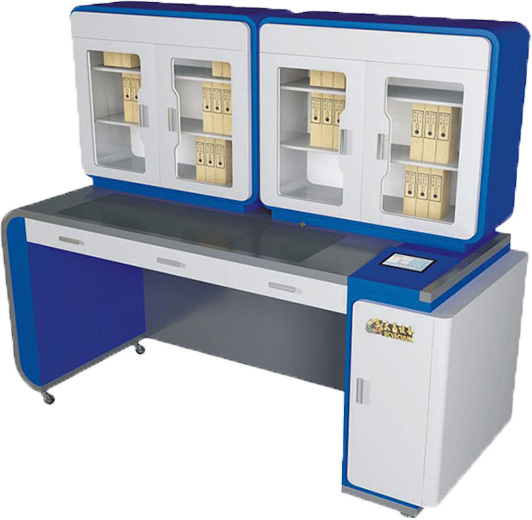
2. Archive purification work sorting table
Function:
Provide negative pressure, humidity control, lighting, isolation protection and other environments for archive restoration and organization.
Features:
A sealed transparent isolation cover forms a negative pressure space to prevent dust from spreading.
Equipped with humidification function, it increases the moisture content of paper and enhances its flexibility.
◎ Translucent backlight illumination, convenient for meticulous repair and handwriting matching.
Application:
Archive restoration and organization work in archives and museums.
3. Dust removal, disinfection and purification integrated machine
Function:
Comprehensive dust removal, disinfection, and purification functions, suitable for various environments.
Features:
Adopting medium efficiency filters, IDVOC gas filters, composite gas high-efficiency filters, and nano photohydrogen ion technology, effectively purifying microorganisms, particulate pollutants, and gaseous pollutants.
Real time monitoring of indoor air cleanliness and automatic adjustment of purification system.
Negative pressure purification design ensures the health of staff.
Application:
Archives, libraries, museums, hospitals, laboratories, and other places.
2、 Technical features
1. Efficient purification
High dust removal efficiency, PM2.5 purification efficiency can reach over 99% in one go.
High sterilization efficiency, with a removal rate of over 99% for molds, fungi, and viruses.
Purification of harmful gases, with a purification efficiency of over 92% for formaldehyde, benzene derivatives, ozone, and other pollutants.
2. Intelligent control
Equipped with PM2.5 sensing probe, real-time monitoring of air cleanliness.
◎ Infrared human body sensing system, automatically turns on and off the purification system.
PLC programmable system design, easy and convenient operation.
3. Environmental protection and energy conservation
◎ Adopting environmentally friendly design, no harmful substance emissions, and no pollution to the environment.
Low noise design, with operating noise less than 55dB (A).
Energy saving design reduces energy consumption and extends equipment lifespan.
4. Safe and reliable
The equipment is made of 304 stainless steel, which is corrosion-resistant and easy to clean.
Equipped with safety protection devices to ensure the safe operation of the equipment.
◎ Compliant with relevant national standards and specifications, with reliable quality.
3、 Application scenarios
1. Archives: Protect archives from dust, bacteria, and harmful gases, and extend their shelf life.
2. Library: Keep books and materials clean, prevent mold growth, and protect readers' health.
3. Museums: provide a clean and sterile storage environment for cultural relics and artworks, ensuring the safety of cultural relics.
4. Hospitals: purify the air in operating rooms, wards, and other areas to prevent cross infection.
5. Laboratory: Protect experimental samples and equipment from contamination to ensure the accuracy of experimental results.
-
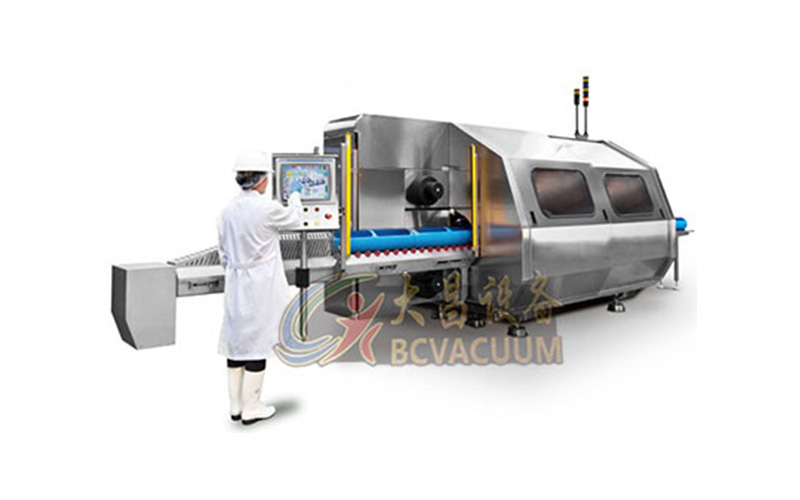
Introduction to ultra-high pressure sterilization equipment
1、 Equipment Overview
High Pressure Processing (HPP) is a non thermal processing technology equipment that uses ultra-high pressure (usually 100-1000MPa) to sterilize and preserve materials such as food and medicine. This technology achieves bactericidal and enzyme killing effects by disrupting the cellular structure of microorganisms, while maximizing the preservation of the nutritional components, color, flavor, and texture of the material.
2、 Working principle
1. Pressure transmission: Place the packaged material in a sealed environment of an ultra-high pressure container, inject high-pressure medium (such as water or oil) into the container through a hydraulic system, and apply uniform high pressure to the material.
2. Cell destruction: High pressure causes changes in the permeability of microbial cell membranes and walls, protein denaturation, and enzyme inactivation, thereby achieving the goal of sterilization.
3. Pressure release: After processing is completed, quickly release the pressure and restore the material to normal pressure.
3、 Equipment composition
1. Ultra high pressure vessel:
Structure: Usually cylindrical or spherical, made of high-strength alloy steel or composite materials, capable of withstanding pressures of over 1000MPa.
Sealing system: Metal sealing or O-ring sealing is used to ensure safety in high-pressure environments.
2. Hydraulic system:
High pressure pump: provides high-pressure power to pressurize the medium (such as water or oil) to the set value.
Turbocharger: used for further boosting to ensure stable pressure.
3. Control system:
PLC control: achieve precise control of parameters such as pressure, time, temperature, etc.
Human machine interface: Operators can set parameters and monitor operating status through the touch screen.
4. Auxiliary system:
Cooling system: prevent high temperature of high-pressure medium.
Safety devices: including pressure sensors, safety valves, rupture discs, etc., to ensure the safe operation of the equipment.
4、 Technical features
1. Efficient sterilization: capable of killing over 99.999% of microorganisms, including spores and heat-resistant bacteria.
2. Quality retention: Non thermal processing technology to avoid damage to nutrients, color, and flavor caused by high temperatures.
3. Extended shelf life: The shelf life of processed products can be extended several times, up to several months at room temperature.
4. Environmental protection and energy conservation: No need to add chemical preservatives, low energy consumption, and no "three wastes" emissions.
5. Widely applicable: Suitable for various materials such as fruit and vegetable juices, meat products, seafood, dairy products, ready to eat foods, etc.
5、 Application Fields
1. Food industry:
Fruit and vegetable juice: such as HPP juice, retains natural color and flavor, and extends shelf life.
Meat products, such as ham and sausages, enhance taste and safety.
Seafood: such as sashimi and shrimp, maintain freshness and elasticity.
2. In the field of medicine:
Sterilization treatment of vaccines and biologics.
Preservation of traditional Chinese medicine extracts.
3. Other fields:
Sterilization of cosmetics and skincare products.
Processing of laboratory samples.
6、 Technical advantages
1. Cold sterilization technology: Compared to traditional heat sterilization, ultra-high pressure treatment has less damage to heat sensitive components such as vitamins and enzymes.
2. Uniformity: The pressure is evenly applied to the material to ensure that every part achieves the sterilization effect.
3. Safety: Fully enclosed system to avoid secondary pollution.
4. Flexibility: Pressure, time, and temperature parameters can be adjusted according to different materials.
7、 Typical parameters
1. Work pressure: 100~1000MPa (adjustable).
2. Processing time: 1-20 minutes (depending on material and process requirements).
3. Processing temperature: room temperature~60 ℃ (adjustable).
4. Container capacity: 5L~500L (depending on production scale).
5. Power requirement: 380V/50Hz, power depends on equipment model.
8、 Operation process
1. Material preparation: Put the materials into pressure resistant packaging bags or containers and seal them.
2. Loading: Place the packaged materials into an ultra-high pressure container.
3. Parameter setting: Set pressure, time, and temperature through the control system.
4. Start processing: Start the hydraulic system, apply high pressure, and maintain the set time.
5. Pressure release: After processing is completed, quickly release the pressure.
6. Unloading: Remove materials for subsequent packaging or storage.
9、 Maintenance and upkeep
1. Regular inspection: Check the integrity of the hydraulic system, seals, and safety devices.
2. Media replacement: Regularly replace high-pressure media to prevent contamination.
3. Cleaning and disinfection: Clean and disinfect the equipment before and after treatment.
4. Calibration: Regularly calibrate pressure sensors and temperature sensors to ensure accuracy.
10、 Market prospects
With the increasing demand of consumers for food safety and quality, ultra-high pressure sterilization technology has broad application prospects in fields such as food and medicine due to its unique advantages. In the future, with the reduction of equipment costs and further development of technology, ultra-high pressure sterilization equipment is expected to become the mainstream technology in non thermal processing fields
-
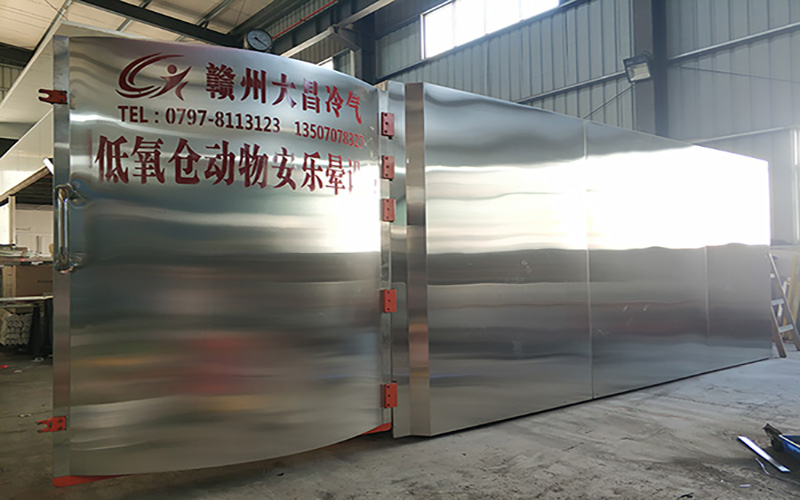
Introduction to Low Oxygen Chamber Animal Euthanasia Equipment
From a broad perspective, humane slaughter refers to the use of methods that conform to animal habits throughout the entire process of animal transportation, loading and unloading, waiting for slaughter, and slaughter, in order to minimize the tension and fear of animals as much as possible, that is, to treat animals well and reduce the pain of animal death. This article will introduce the low oxygen chamber animal euthanasia equipment produced by Ganzhou Dachang Air Conditioning Equipment Engineering Co., Ltd. The main function of this equipment is to reduce the pressure that animals bear during the slaughter process and help achieve painless euthanasia of animals.
Currently, there are two main ways to slaughter livestock such as chickens, ducks (poultry), pigs, cows, and sheep: one is to directly cut the throat and bleed; The second step is to first corona the animals into the pool with a voltage of 40-50 V, and then slaughter and bleed them. However, both of these methods are difficult to ensure complete loss of consciousness in animals. Not only does slaughter stress affect meat quality, but this slaughter method is also seen by many as too cruel. Animal protection activists point out that livestock such as chickens, ducks (poultry), pigs, cows, and sheep used for human consumption have a short lifespan and suffer throughout their lives. Using the above methods to slaughter them is inhumane, so they call for more humane slaughter methods.
The low-pressure and low oxygen euthanasia technology developed by Ganzhou Dachang Air Conditioning provides a feasible solution for the humane slaughter of livestock such as chickens, ducks (poultry), pigs, cows, and sheep. This technology is beneficial for the welfare of poultry and livestock, and will not have adverse effects on the subsequent processing. The Anle Halo equipment produced by Dachang has received support from multiple animal welfare organizations, such as the humane slaughter association. The Xinjiang Baicheng Organic Oil Chicken and Poultry Factory has put the equipment into use, and mobile devices are also operating locally. The organic oil chickens produced by the factory are exported to Western European countries such as Europe and the United States, and the products have been approved by the European Union Safety Management Agency for sale in the EU market.
Chickens and livestock that undergo Dachang Anle dizziness treatment will be placed in a sealed and dark warehouse with suitable environmental conditions such as temperature and humidity for broiler chickens, gradually causing them to develop drowsiness. The air in the equipment space will transition to a low oxygen state within four and a half minutes, with oxygen levels dropping from 21% to below 5%. During the first 40 seconds of processing, the animals showed almost no response; At 50-70 seconds, they will fall to the ground as if entering a state of sleep, losing consciousness until irreversible brain death occurs, and then traditional slaughter and bloodletting methods will be used for slaughter.
The introduction of the low oxygen chamber animal comfort equipment has come to a temporary end. It should be noted that the Dachang Anle Halo equipment can be designed for assembly line operation. If you need to learn more about the technical information of Dachang Equipment - Animal and Poultry Anle Slaughter Equipment, please feel free to consult further.

Add WeChat
Main products: Vacuum pre cooling equipment, archive insecticidal disinfection and sterilization equipment, vacuum freeze dryer, thawing equipment, cultural relic archive image restoration equipment, low oxygen insecticidal disinfection machine, vacuum deodorization machine, dust removal disinfection and purification equipment, ultra-high pressure sterilization equipment, low oxygen chamber animal comfort equipment
Copyright © 2026 Dachang Equipment Equipment All rights reserved. XML
XML