
Introduction to ultra-high pressure sterilization equipment
1、 Equipment Overview
High Pressure Processing (HPP) is a non thermal processing technology equipment that uses ultra-high pressure (usually 100-1000MPa) to sterilize and preserve materials such as food and medicine. This technology achieves bactericidal and enzyme killing effects by disrupting the cellular structure of microorganisms, while maximizing the preservation of the nutritional components, color, flavor, and texture of the material.
2、 Working principle
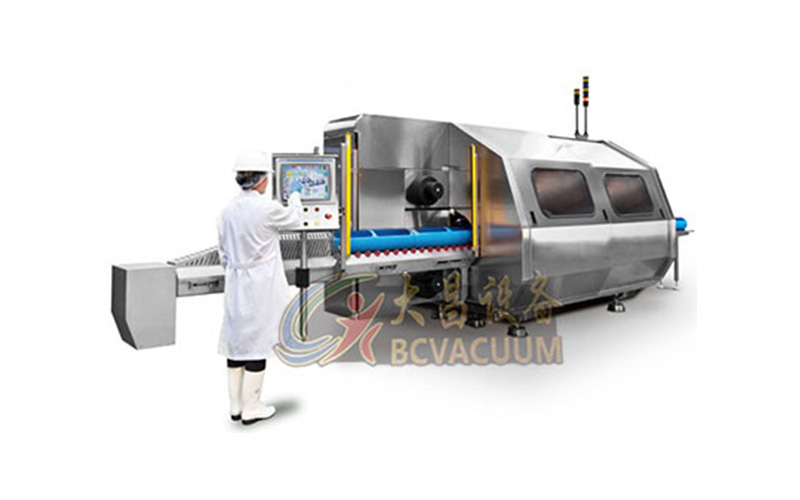
1. Pressure transmission: Place the packaged material in a sealed environment of an ultra-high pressure container, inject high-pressure medium (such as water or oil) into the container through a hydraulic system, and apply uniform high pressure to the material.
2. Cell destruction: High pressure causes changes in the permeability of microbial cell membranes and walls, protein denaturation, and enzyme inactivation, thereby achieving the goal of sterilization.
3. Pressure release: After processing is completed, quickly release the pressure and restore the material to normal pressure.
3、 Equipment composition
1. Ultra high pressure vessel:
Structure: Usually cylindrical or spherical, made of high-strength alloy steel or composite materials, capable of withstanding pressures of over 1000MPa.
Sealing system: Metal sealing or O-ring sealing is used to ensure safety in high-pressure environments.
2. Hydraulic system:
High pressure pump: provides high-pressure power to pressurize the medium (such as water or oil) to the set value.
Turbocharger: used for further boosting to ensure stable pressure.
3. Control system:
PLC control: achieve precise control of parameters such as pressure, time, temperature, etc.
Human machine interface: Operators can set parameters and monitor operating status through the touch screen.
4. Auxiliary system:
Cooling system: prevent high temperature of high-pressure medium.
Safety devices: including pressure sensors, safety valves, rupture discs, etc., to ensure the safe operation of the equipment.
4、 Technical features
1. Efficient sterilization: capable of killing over 99.999% of microorganisms, including spores and heat-resistant bacteria.
2. Quality retention: Non thermal processing technology to avoid damage to nutrients, color, and flavor caused by high temperatures.
3. Extended shelf life: The shelf life of processed products can be extended several times, up to several months at room temperature.
4. Environmental protection and energy conservation: No need to add chemical preservatives, low energy consumption, and no "three wastes" emissions.
5. Widely applicable: Suitable for various materials such as fruit and vegetable juices, meat products, seafood, dairy products, ready to eat foods, etc.
5、 Application Fields
1. Food industry:
Fruit and vegetable juice: such as HPP juice, retains natural color and flavor, and extends shelf life.
Meat products, such as ham and sausages, enhance taste and safety.
Seafood: such as sashimi and shrimp, maintain freshness and elasticity.
2. In the field of medicine:
Sterilization treatment of vaccines and biologics.
Preservation of traditional Chinese medicine extracts.
3. Other fields:
Sterilization of cosmetics and skincare products.
Processing of laboratory samples.
6、 Technical advantages
1. Cold sterilization technology: Compared to traditional heat sterilization, ultra-high pressure treatment has less damage to heat sensitive components such as vitamins and enzymes.
2. Uniformity: The pressure is evenly applied to the material to ensure that every part achieves the sterilization effect.
3. Safety: Fully enclosed system to avoid secondary pollution.
4. Flexibility: Pressure, time, and temperature parameters can be adjusted according to different materials.
7、 Typical parameters
1. Work pressure: 100~1000MPa (adjustable).
2. Processing time: 1-20 minutes (depending on material and process requirements).
3. Processing temperature: room temperature~60 ℃ (adjustable).
4. Container capacity: 5L~500L (depending on production scale).
5. Power requirement: 380V/50Hz, power depends on equipment model.
8、 Operation process
1. Material preparation: Put the materials into pressure resistant packaging bags or containers and seal them.
2. Loading: Place the packaged materials into an ultra-high pressure container.
3. Parameter setting: Set pressure, time, and temperature through the control system.
4. Start processing: Start the hydraulic system, apply high pressure, and maintain the set time.
5. Pressure release: After processing is completed, quickly release the pressure.
6. Unloading: Remove materials for subsequent packaging or storage.
9、 Maintenance and upkeep
1. Regular inspection: Check the integrity of the hydraulic system, seals, and safety devices.
2. Media replacement: Regularly replace high-pressure media to prevent contamination.
3. Cleaning and disinfection: Clean and disinfect the equipment before and after treatment.
4. Calibration: Regularly calibrate pressure sensors and temperature sensors to ensure accuracy.
10、 Market prospects
With the increasing demand of consumers for food safety and quality, ultra-high pressure sterilization technology has broad application prospects in fields such as food and medicine due to its unique advantages. In the future, with the reduction of equipment costs and further development of technology, ultra-high pressure sterilization equipment is expected to become the mainstream technology in non thermal processing fields
Other users also watched it
Introduction to ultra-high pressure sterilization equipment

Add WeChat
Main products: Vacuum pre cooling equipment, archive insecticidal disinfection and sterilization equipment, vacuum freeze dryer, thawing equipment, cultural relic archive image restoration equipment, low oxygen insecticidal disinfection machine, vacuum deodorization machine, dust removal disinfection and purification equipment, ultra-high pressure sterilization equipment, low oxygen chamber animal comfort equipment
Copyright © 2026 Dachang Equipment Equipment All rights reserved. XML
XML