
Disaster Recovery for Water-Damaged Archives | Low-Temperature Stabilization & Pest Control
Salvaging Water-Damaged Archives After Floods: From Cryogenic Stabilization to Biological Defense
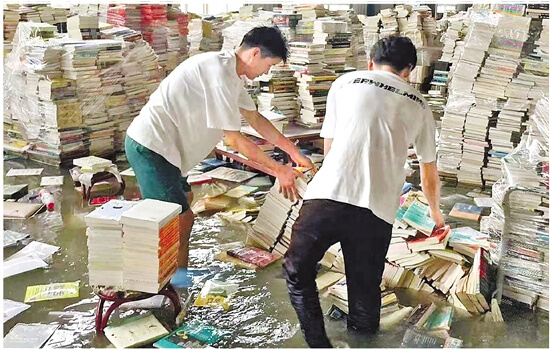
Recent severe weather events, flash floods, and mudslides in high-risk regions have posed an immediate and catastrophic threat to archival repositories, historical manuscripts, and rare library collections. Direct submersion in floodwaters and thick sediment not only breaks down paper fibers physically, but it also triggers devastating secondary biological degradation.
Post-disaster archival recovery is a rigorous preservation science. During the chaotic initial hours of a disaster, preventing irreversible biodeterioration and buying time for downstream restoration depends heavily on rapid physical environment control.
The Critical 48-Hour Window: Halting Microbial Outbreaks via Phase Locking
Under standard ambient temperatures between 20°C and 25°C with relative humidity above 65%, active mold spores carried by mud and floodwaters germinate within 24 to 48 hours. Fungal metabolic byproducts secrete concentrated organic acids that rapidly accelerate cellulose hydrolysis. As fungal hyphae penetrate the wet paper matrix, entire text blocks permanently fuse into unopenable solid blocks.
When on-site washing and manual conservation are impossible, international heritage preservation bodies such as ICA and IFLA recommend rapid sub-zero freezing as the primary stabilization protocol:
Terminating Biological Activity: Maintaining storage temperatures continuously below -20°C to -30°C forces bacterial and fungal metabolism to cease, immediately halting mold growth and acid migration.
Preventing Ink and Pigment Diffusion: Rapid cooling locks water into microscopic crystalline structures, preventing historical handwriting, iron gall inks, and water-soluble binding adhesives from bleeding across wet pages.
Preserving Structural Integrity: Deep freezing creates a stable multi-month buffer window, allowing conservators to safely categorize inventory and systematically prepare batches for vacuum freeze-drying.
The Role of Programmed Deep Freezing in Disaster Recovery and Routine Biosecurity
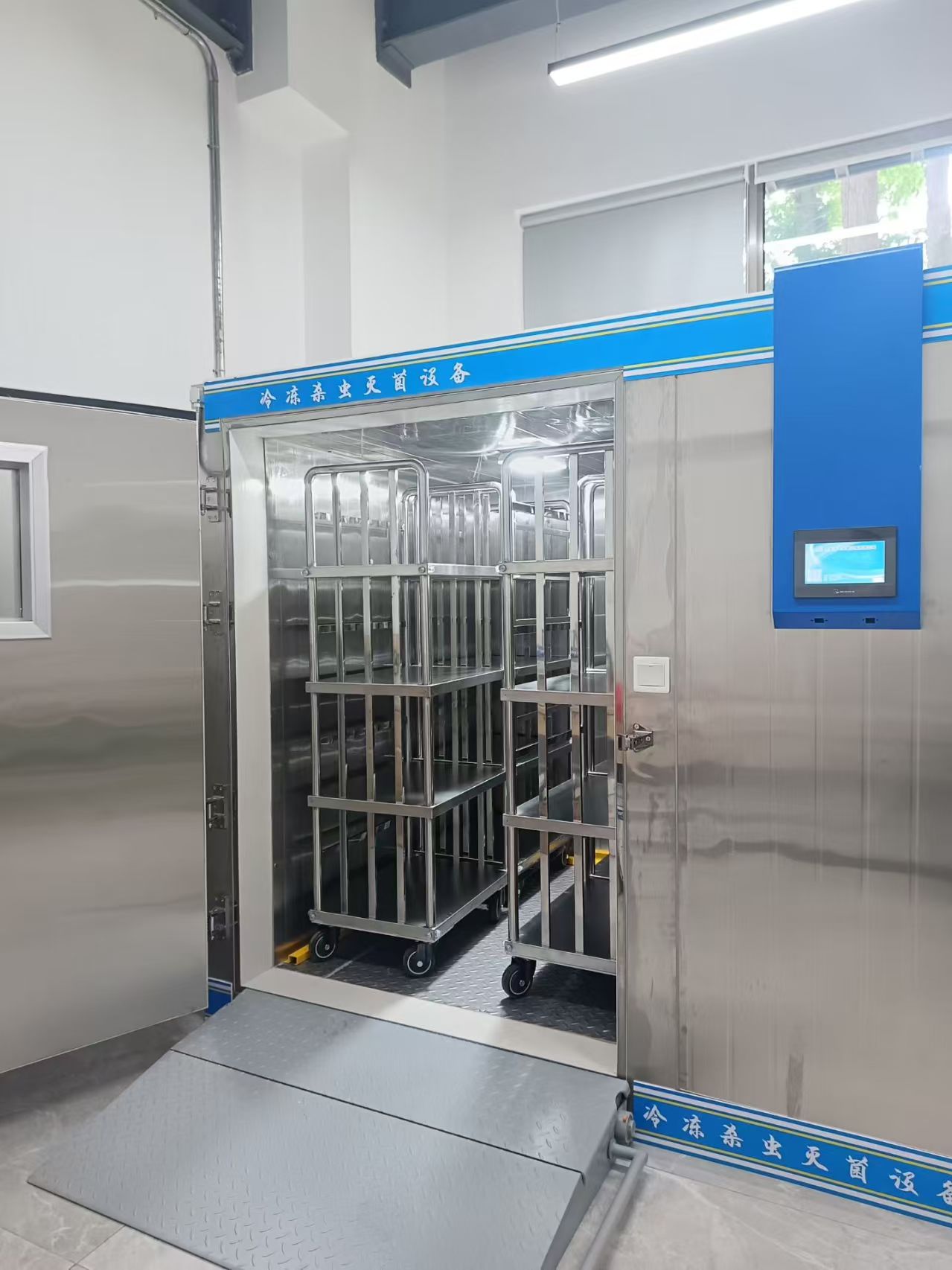
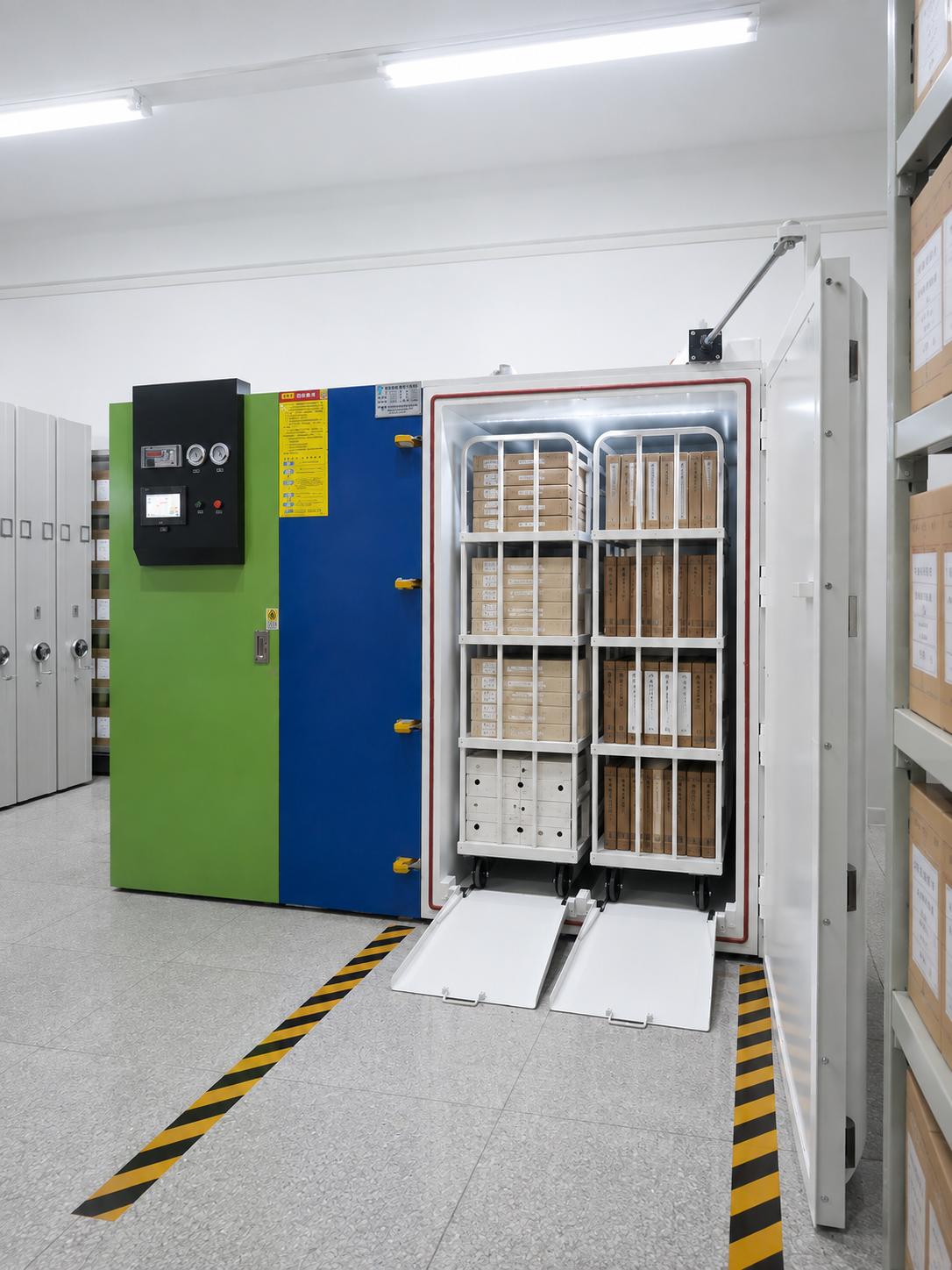
Subjecting wet historic paper to ordinary household freezers introduces severe risks. Uncontrolled cooling rates form large ice crystals that puncture delicate cellulose fibers, while erratic temperature shifts generate destructive condensation during retrieval. Cultural institutions increasingly rely on dedicated, programmable deep-freezing preservation systems.
Controlled Gradient Freezing: Specialized archival freezing chambers regulate the cooling gradient precisely. Moisture inside the document freezes uniformly into microcrystals without localized mechanical stress, safeguarding the paper tensile strength for future leaf casting and lining.
100% Green Pest Eradication: Saturated archives retrieved from mud and debris routinely harbor invasive insects such as silverfish, booklice, and hide beetles. Operating a deep-freezing cycle between -25°C and -35°C eliminates adult pests, larvae, and hidden eggs through natural osmotic cell disruption, delivering a non-toxic quarantine process without hazardous chemical residues.
Best Practices for Field Handling of Water-Damaged and Silt-Covered Records
Before placing damaged collections into low-temperature equipment, standard field handling protocols directly determine the final recovery success rate:
Avoid Forcible Separation: Never attempt to pry apart wet, stuck documents or mud-encrusted leaves in their fragile wet state. Keep them in their original layered conformation.
Single-Item Polyethylene Enclosure: After wiping away loose surface mud, seal each volume individually inside a clean polyethylene bag and express excess air. This prevents surface desiccation during freezing and blocks cross-contamination between accessions.
Temperature Uniformity Monitoring: Ensure the freezing unit quickly drives the core temperature of thick bindings past the freezing plateau, maintaining a steady sub-zero hold until the item is ready for vacuum drying or controlled thawing.
Moving from Reactive Salvage to Proactive Infrastructure
Extreme weather and geological disasters remain inherently unpredictable. Archival repositories must look beyond reactive disaster plans and integrate multi-functional low-temperature freezing systems directly into permanent preservation workflows.
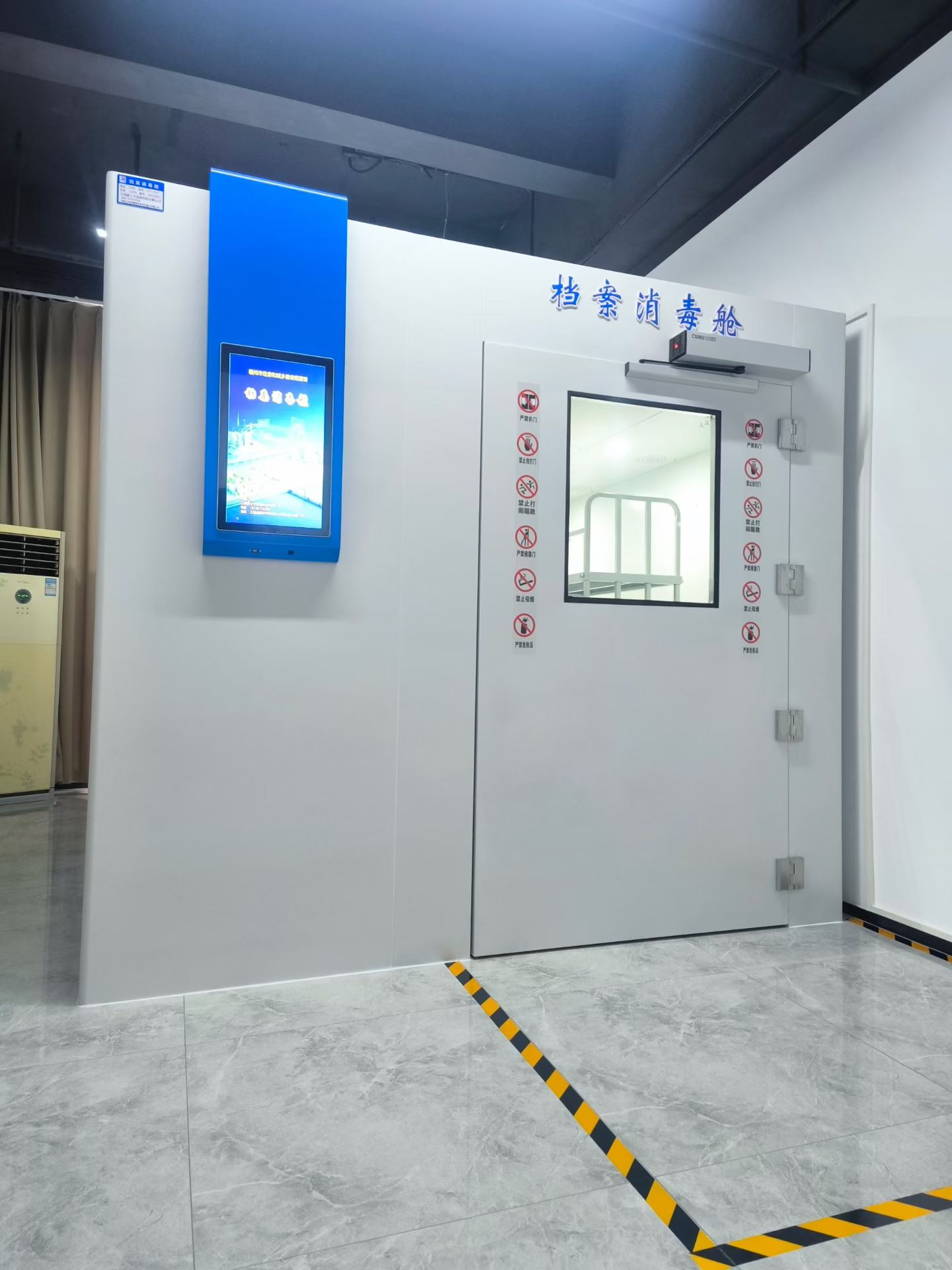
During routine operations, a professional freezing chamber serves as a zero-chemical biosecurity quarantine gate for all incoming acquisitions. When emergencies strike, it instantly converts into a life-support stabilization unit, ensuring irreplaceable historical collections remain preserved for generations to come.
Original link: https://www.dachangequip.com/daxdjzx/325.html
Note: The copyright belongs to Ganzhou Dachang Air Conditioning Equipment Engineering Co., Ltd. For commercial reprints, please contact the author for authorization. For non-commercial reprints, please indicate the source.
Related Recommendations
Information on file disinfection machine

Add WeChat
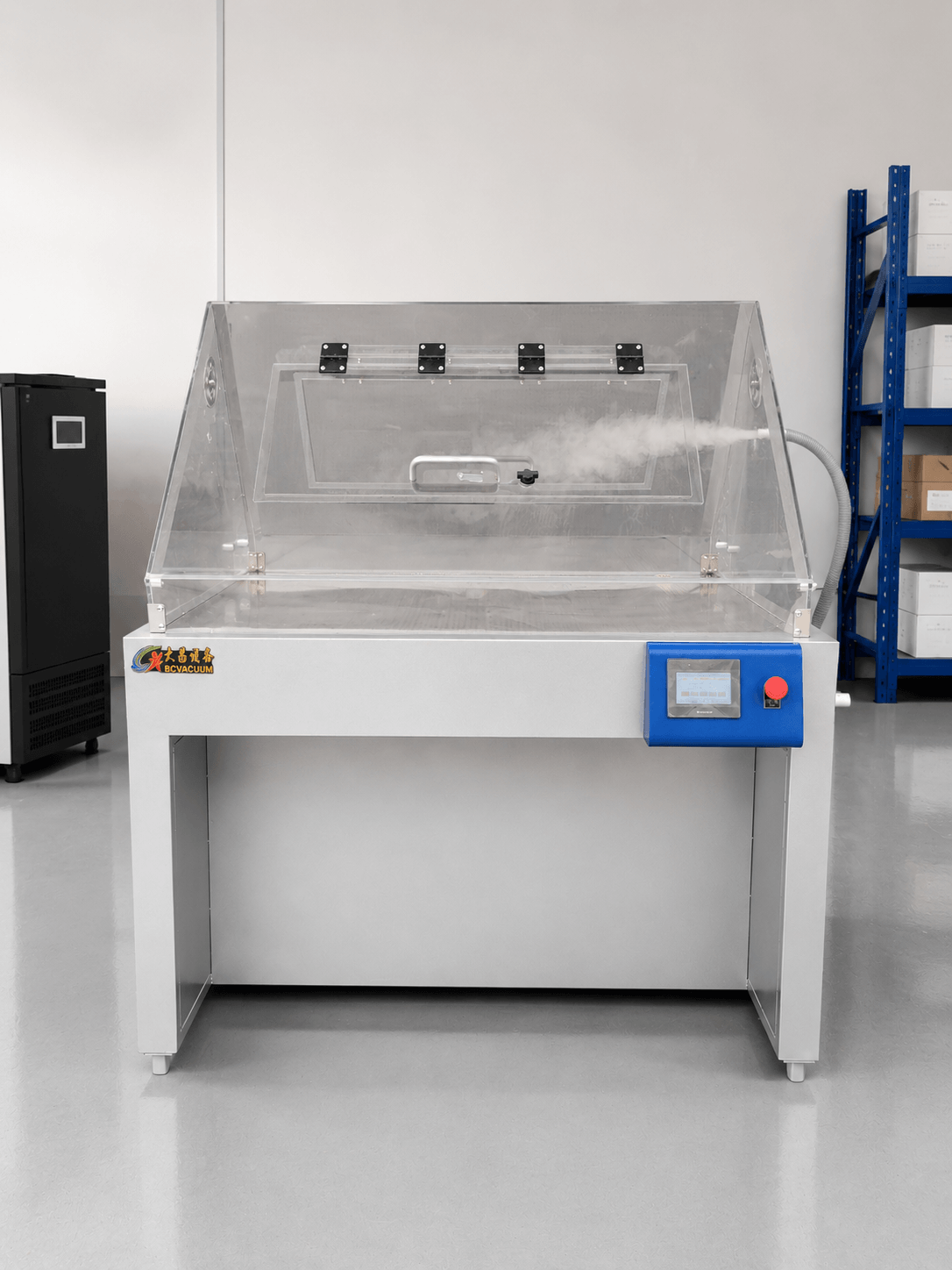
Main products: Vacuum pre cooling equipment, archive insecticidal disinfection and sterilization equipment, vacuum freeze dryer, thawing equipment, cultural relic archive image restoration equipment, low oxygen insecticidal disinfection machine, vacuum deodorization machine, dust removal disinfection and purification equipment, ultra-high pressure sterilization equipment, low oxygen chamber animal comfort equipment
Copyright © 2026 Dachang Equipment Equipment All rights reserved. XML
XML