The Science of Preservation: How Oxygen, Temperature, and Humidity Affect Anoxic Pest Control
Eradicating pests from historical archives and delicate museum collections without using toxic chemicals is not just about pumping gas into a box. It is a precise science.
When dealing with irreplaceable historical artifacts—where every page, binding, and ink stroke carries centuries of history—compromise is not an option.

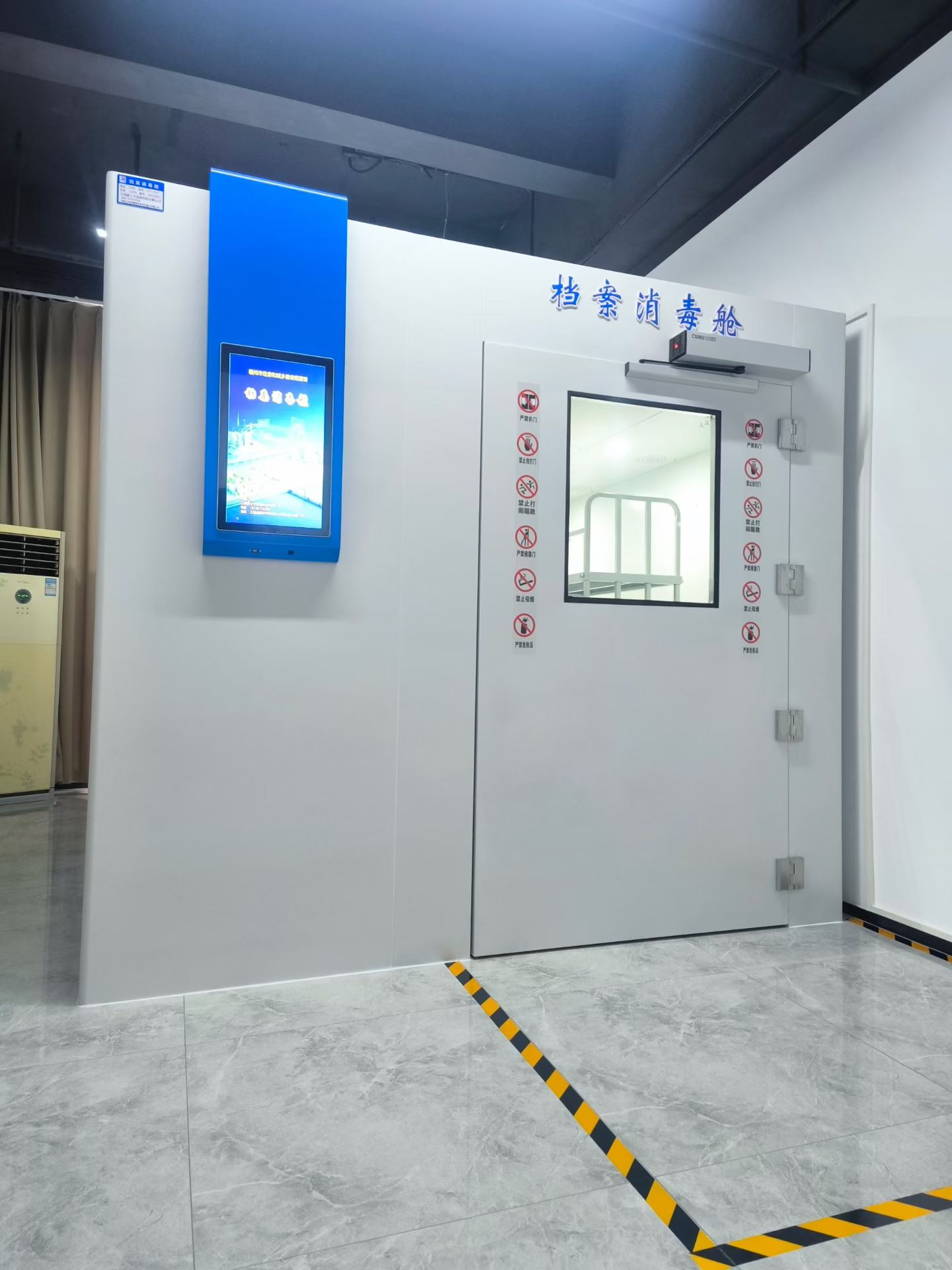
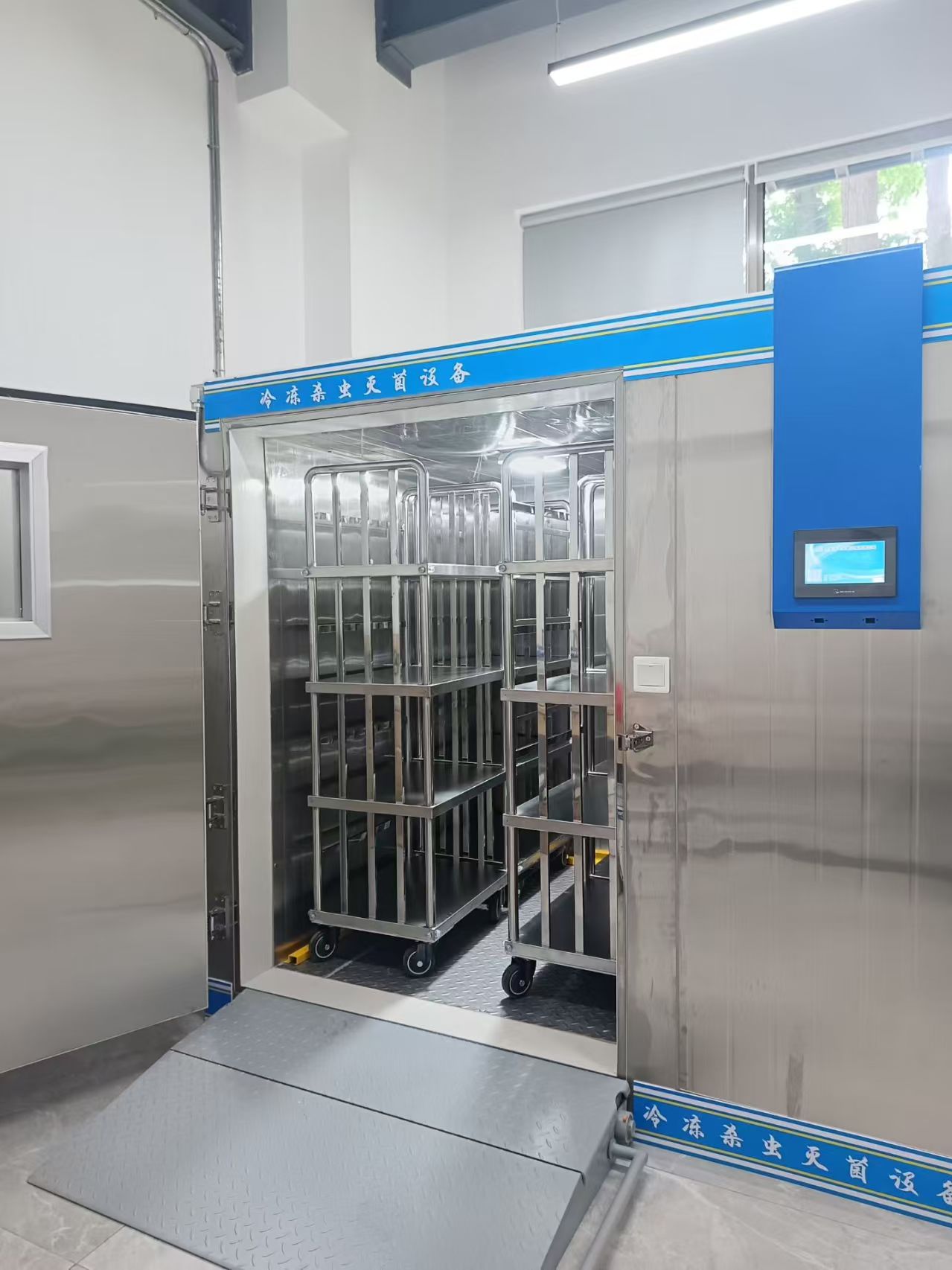
To achieve a 100% mortality rate against booklice, silverfish, and wood-boring beetles without harming the artifact, a Vacuum Nitrogen Anoxic Chamber must perfectly balance three critical environmental factors: Oxygen, Temperature, and Relative Humidity.
Here is how this exact scientific triad works together to protect your collections.
1. Oxygen Concentration: The Kill Zone (O2 <= 1%)
The foundation of anoxic treatment is hypoxia (oxygen deprivation).
Insects can survive in surprisingly low oxygen environments by slowing their metabolism. To guarantee a 100% kill rate across all life stages—including resilient eggs and hidden pupae—the residual oxygen concentration must be driven down to <= 1%.
At this extreme level, insects are forced to completely open their spiracles (breathing pores) in a desperate attempt to find air, which directly leads to fatal dehydration. Our systems utilize 99.99% pure nitrogen (N2) to rapidly achieve and sustain this critical "kill zone."
2. Temperature: The Metabolism Accelerator
Temperature dictates how fast the insects die.
If the treatment environment is too cold, pests enter a state of dormancy (diapause), lowering their oxygen requirements and surviving the treatment longer.
The ideal temperature for anoxic treatment is standard room temperature (20°C to 25°C). At these temperatures, the insects remain highly active. Their metabolism runs fast, causing them to deplete their energy reserves and suffocate much quicker in the oxygen-deprived chamber.
3. Relative Humidity (RH): Protecting the Artifact
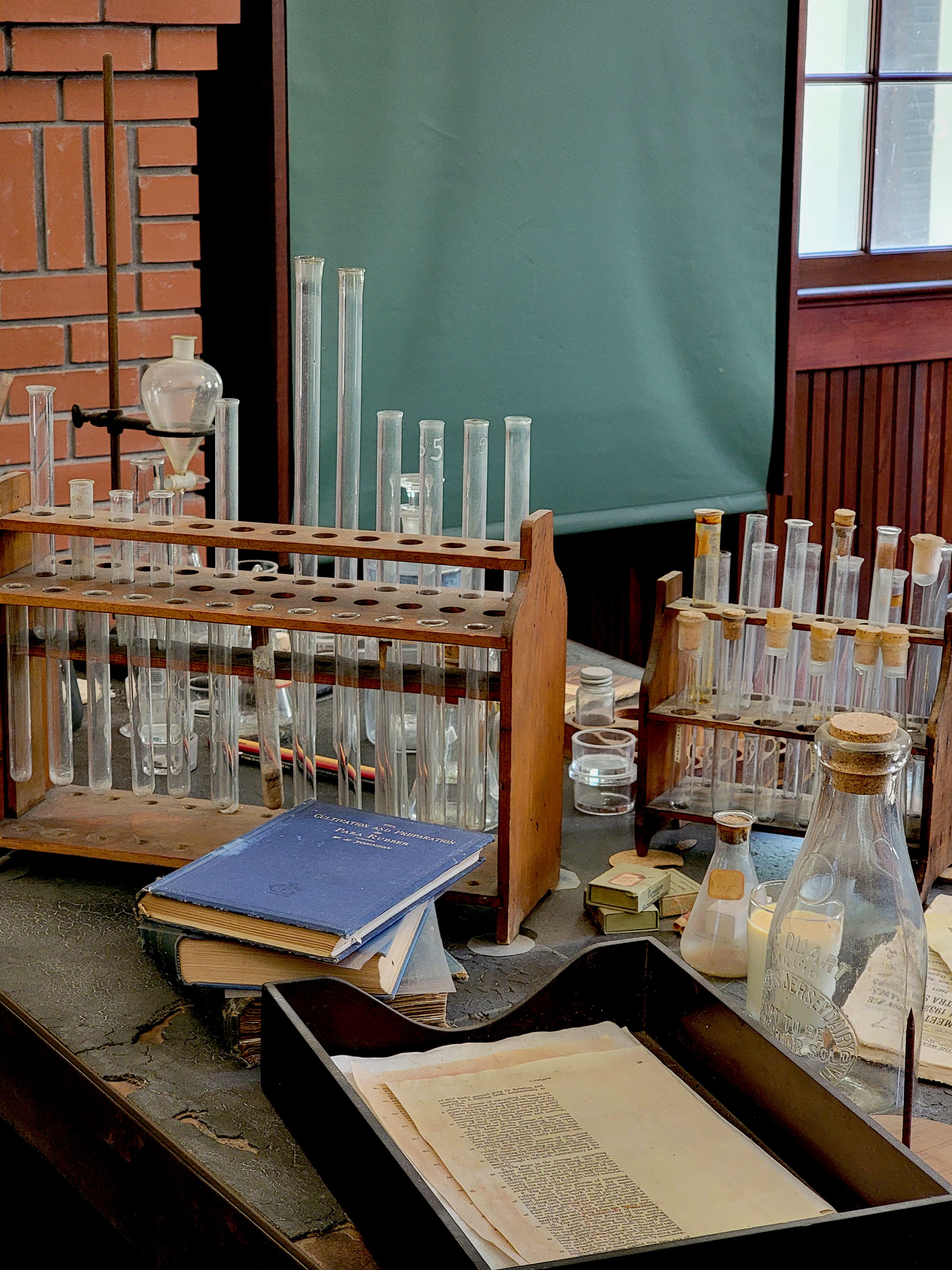
While depriving pests of oxygen, we must ensure the artifact itself does not suffer from extreme dryness or moisture.
Fluctuating humidity can cause ancient paper to warp, parchment to shrink, and wood to crack. A professional anoxic chamber is heavily sealed, acting as a passive buffer to maintain the ambient RH of the room, ensuring the physical and chemical stability of the delicate items inside.
Precision Engineering for Exact Science
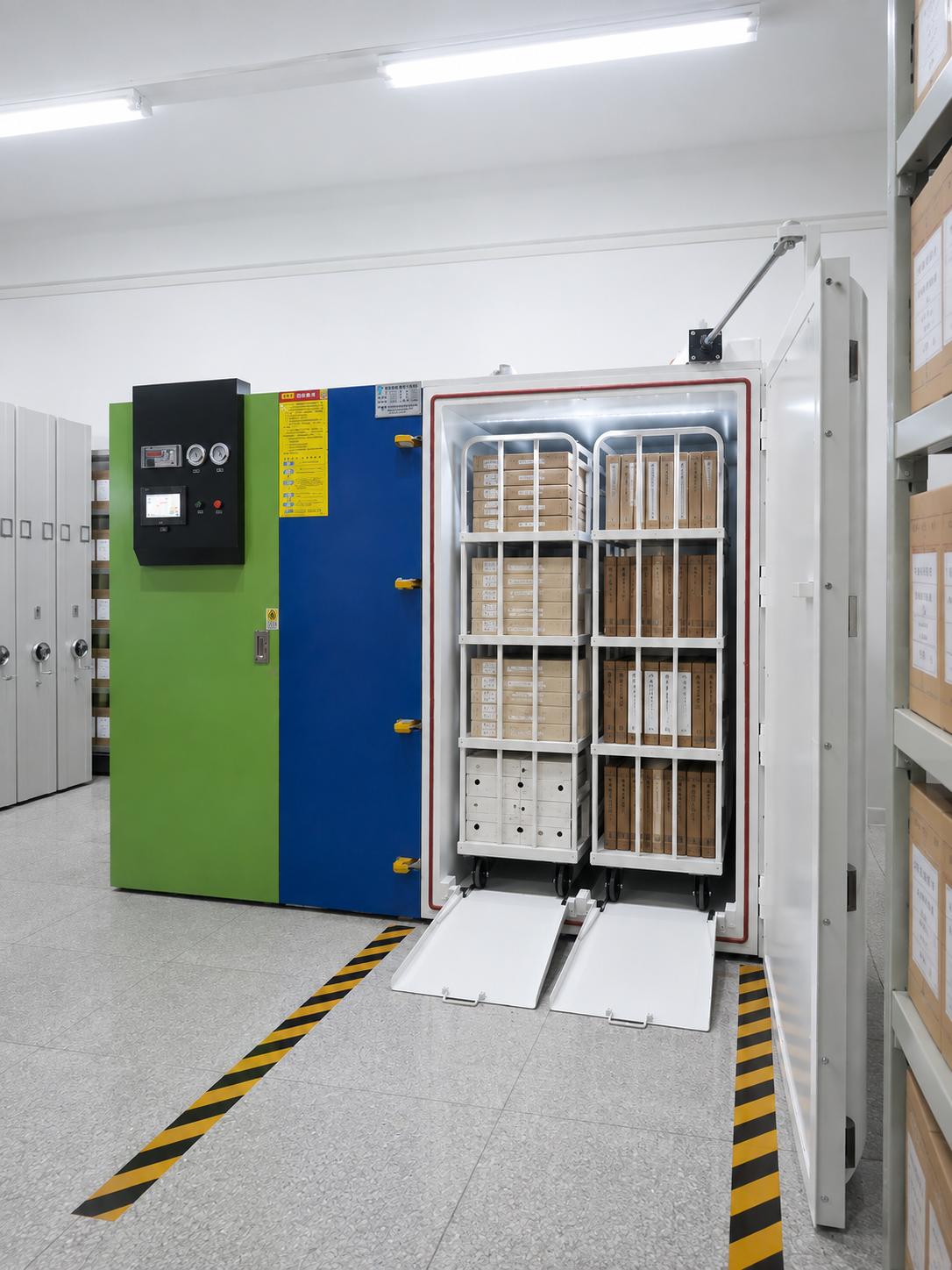
Achieving this perfect balance requires industrial-grade precision, shifting pest control from toxic chemistry to safe, physical science. Our vacuum nitrogen systems are equipped with smart controls and high-accuracy sensors that constantly monitor oxygen levels and pressure, ensuring a flawless cycle every time.
Consult with Our Preservation Equipment Experts
Ensure your institution's pest management strategy is backed by exact science and reliable engineering. Ganzhou Dachang Cold Air Equipment Engineering Co., Ltd. supplies advanced conservation solutions globally.
Original link: https://www.dachangequip.com/daxdjzx/312.html
Note: The copyright belongs to Ganzhou Dachang Air Conditioning Equipment Engineering Co., Ltd. For commercial reprints, please contact the author for authorization. For non-commercial reprints, please indicate the source.
Related Recommendations
Information on file disinfection machine

Add WeChat
Main products: Vacuum pre cooling equipment, archive insecticidal disinfection and sterilization equipment, vacuum freeze dryer, thawing equipment, cultural relic archive image restoration equipment, low oxygen insecticidal disinfection machine, vacuum deodorization machine, dust removal disinfection and purification equipment, ultra-high pressure sterilization equipment, low oxygen chamber animal comfort equipment
Copyright © 2026 Dachang Equipment Equipment All rights reserved. XML
XML