
Explanation of Common Malfunctions of Vacuum Pre cooling Machine
The following are some common fault descriptions and troubleshooting methods for vacuum pre coolers compiled by technical engineers from Ganzhou Dachang Air Conditioning Equipment Engineering Co., Ltd. The methods and explanations are for reference only. If you have any questions, please leave me a message or call us!
1、 Low vacuum degree
Possible reasons:
1. The pump itself is leaking air: the sealing ring and valve gasket are damaged or not tightened, and the exhaust valve plate is damaged, resulting in poor sealing.
2. The pump temperature is too high, which may be due to scratches and wear on the valve plate or inner cavity of the pump, and displacement of the rotor axis causing single-sided wear.
3. There is a problem with the pump oil: 1. The oil level is too low and the seal is not tight; 2. The oil is contaminated and turns milky yellow; 3. The oil level is normal, the oil circuit is blocked, and the appropriate amount of oil is not maintained in the pump chamber.
4. The air inlet filter of the vacuum cooler is blocked.
Exclusion methods and solutions:
1. Repair and reassemble.
2. Keep going; Change the oil; Check the oil inlet volume of the oil circuit and oil valve.
3. Replace the sealing ring or valve plate according to the specific situation.
4. Remove and clean.
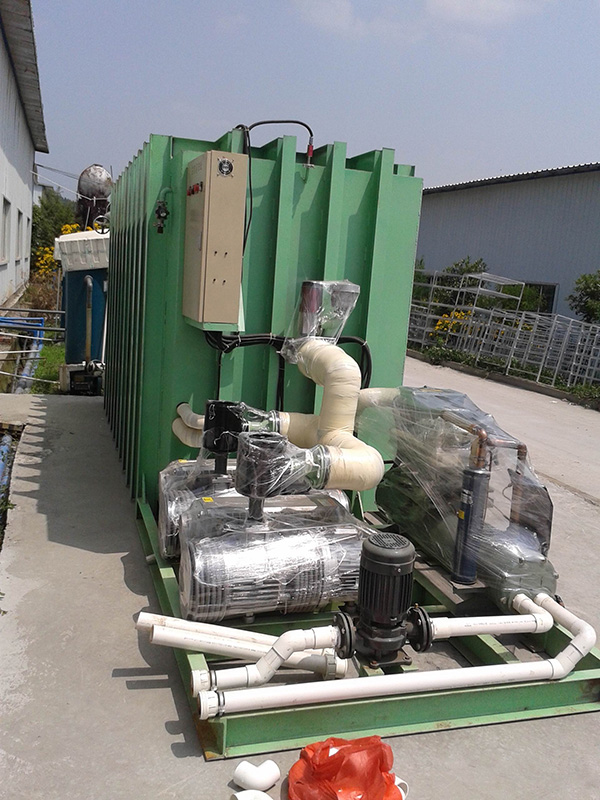
2、 Motor overload operation, abnormal noise during pump operation, etc
Possible reasons:
1. The filter screen is damaged and debris falls into the pump.
2. The pump chamber is severely contaminated and the parts are corroded.
3. The spring deforms or breaks, causing uneven force on the rotor and producing an impact sound.
4. The pump chamber shaft and shaft sleeve are too tightly matched, causing poor lubrication.
5. The pump temperature is too high, which may be due to scratches and wear on the valve plate or inner cavity of the pump, and displacement of the rotor axis causing single-sided wear.
Exclusion methods and solutions:
1. Replace the spring.
2. Remove and clean.
3. Replace with specialized new oil.
4. Repair and reassemble.
5. Reinstall and clear the oil circuit.
3、 Vacuum cooling machine compressor oil leakage and oil injection
Possible reasons:
1. The inlet pressure is too high.
2. Excessive fuel quantity leads to fuel injection.
3. The oil blocking net under the exhaust cover is installed backwards, causing fuel injection.
4. The sealing rings of the shaft, oil window, oil drain hole and other parts are damaged or assembled incorrectly.
Exclusion methods and solutions:
1. Try to reduce the fuel intake.
2. Release a portion of the oil.
3. Reinstall.
4. Replace the sealing ring or reassemble.
4Maintenance and upkeep of vacuum pre cooling equipment
1. Before starting the unit, it is necessary to confirm that all four cut-off points on the pipeline connection are fully open. When starting the unit, observe the direction of the fan rotation (if the fan rotates in reverse, two phase lines need to be replaced), the starting condition of the compressor (the high-pressure gauge pressure increases, the low-pressure gauge pressure decreases, the liquid pipe temperature increases, and the gas pipe temperature decreases), and whether there is any noise or abnormal vibration in the system.
2. If any abnormal situation is found during startup, it should be shut down immediately, and the cause should be determined before handling.
3. After the unit is put into operation, the operating current, high and low pressure of the compressor and fan should be regularly measured and observed, and records should be made in a timely manner for management and summary.
4. All electronic control components and protective devices of the unit have undergone strict testing before leaving the factory. Users are advised not to change or remove them during inspection or maintenance. Forced operation without protection will inevitably cause significant damage to the unit.
5. Daily maintenance must adhere to the following points to avoid possible malfunctions and maintain normal and efficient operation of the unit.
(1) Fin coil heat exchangers should be regularly flushed based on the accumulation of dust pollution, and electrical safety should be taken into account during flushing.
(2) Regularly check the current of indoor centrifugal fans during operation, and for belt driven centrifugal fans, regularly check the tightness of the belt.
6. At least once a month, conduct regular comprehensive inspections of the entire machine, including checking for any looseness in electrical circuits and components, the operation sound of various parts of the unit, any leaks in the refrigeration system (observe the low voltage gauge), whether the temperature probe and probe wire are intact, and whether the operating switch is loose.
7. When the unit malfunctions and shuts down, first press the stop button of the unit (the alarm light will turn off) and then check the cause of the fault. Before the fault is resolved, do not forcefully start the unit.
8. Unless in an emergency, do not shut down by cutting off the main power supply. If short-term shutdown is required (less than 7 days), simply press the shutdown button of the unit without shutting down the main power supply. If the unit needs to be shut down for a long time, first shut down the unit, then shut down the main power supply, and drain all the water in the system.
Original link: https://www.dachangequip.com/cjwt/290.html
Note: The copyright belongs to Ganzhou Dachang Air Conditioning Equipment Engineering Co., Ltd. For commercial reprints, please contact the author for authorization. For non-commercial reprints, please indicate the source.
Related Recommendations
FAQ

Add WeChat
Main products: Vacuum pre cooling equipment, archive insecticidal disinfection and sterilization equipment, vacuum freeze dryer, thawing equipment, cultural relic archive image restoration equipment, low oxygen insecticidal disinfection machine, vacuum deodorization machine, dust removal disinfection and purification equipment, ultra-high pressure sterilization equipment, low oxygen chamber animal comfort equipment
Copyright © 2026 Dachang Equipment Equipment All rights reserved. XML
XML