
How to Choose the Right Industrial Freeze Dryer for Your Business
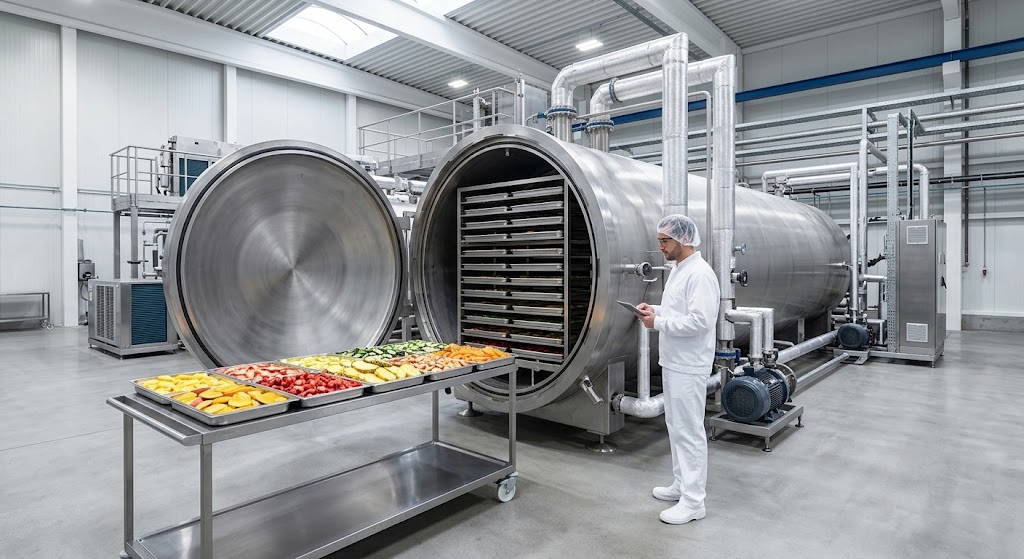
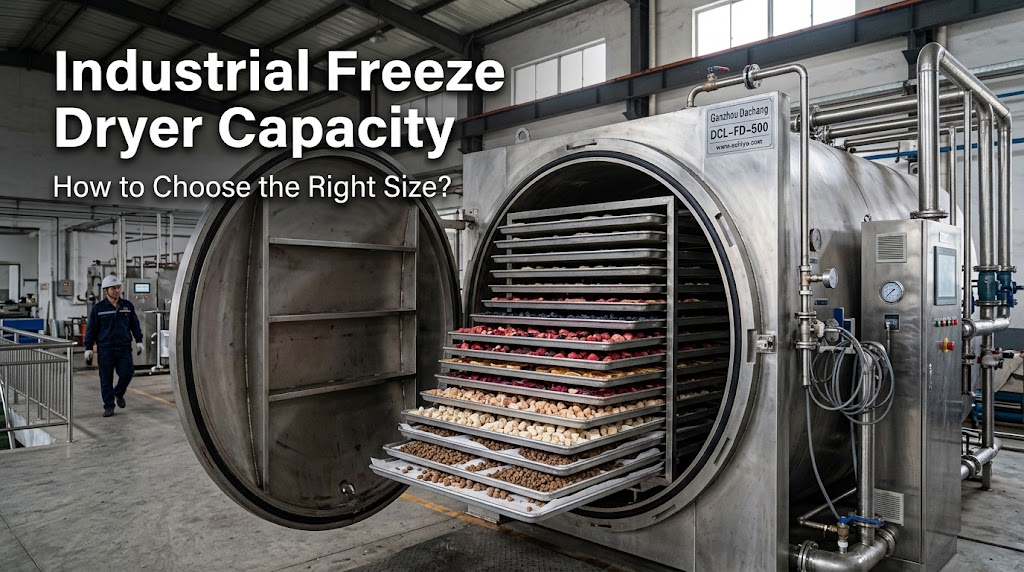
Investing in anindustrial freeze dryeris a critical decision that dictates the quality, shelf-life, and profitability of your products. However, many manufacturers make the costly mistake of focusing solely on machine specifications (like capacity or dimensions) before understanding the physical and chemical limits of their raw materials.
Whether you are processingpremium raw pet foodin Southeast Asia, high-value spices in the Middle East, or heat-sensitive pharmaceuticals in Europe, the goal is the same:removing moisture without causing thermal degradation.
Here is a process-first guide to choosing the right lyophilization equipment for your business.
1. Analyze Your Material’s Thermal SensitivityThe first step in choosing a freeze dryer is understanding how your ingredients react to heat and moisture.
For Proteins and Fruits:If your business processes raw pet food, tropical fruits, or premium coffee, your biggest enemies are protein denaturation and cellular collapse. You need equipment capable of achieving rapid freezing (down to -45°C) and maintaining absolute vacuum stability. This ensures the water sublimates directly from ice to gas, protecting the cellular structure and guaranteeing instant rehydration.
For Herbs, Spices, and Dairy:If you process volatile ingredients or dairy powders, localized hot spots during drying can vaporize essential oils or cause natural sugars to caramelize. Ensure the equipment you choose features high-precision heating plates with strict temperature uniformity to lock in aromas and natural pigments.
2. Evaluate Precision Control for Heat-Sensitive BiologicsFor pharmaceutical manufacturing, laboratories, or high-end biological ingredients (like probiotics or active enzymes), the margin for error is zero. You are not just extracting water; you are protecting the integrity of active compounds. The right industrial freeze dryer for these applications must offer programmable sublimation curves. This allows your engineers to fine-tune the temperature micro-environment for each specific batch, ensuring that active pharmaceutical ingredients (APIs) never experience heat stress, extending their shelf life without reliance on unstable cold chains.
3. Prioritize Hygiene and Regulatory ComplianceDifferent regions and industries have different regulatory thresholds. If you are targeting the European market or working within the pharmaceutical and ready-to-eat sectors, sanitary design is non-negotiable. Look for freeze dryers constructed with 316L food/medical-grade stainless steel. Furthermore, if cross-contamination is a risk, ensure the system includesCIP (Clean-in-Place)andSIP (Sterilize-in-Place)capabilities to meet strict GMP standards.
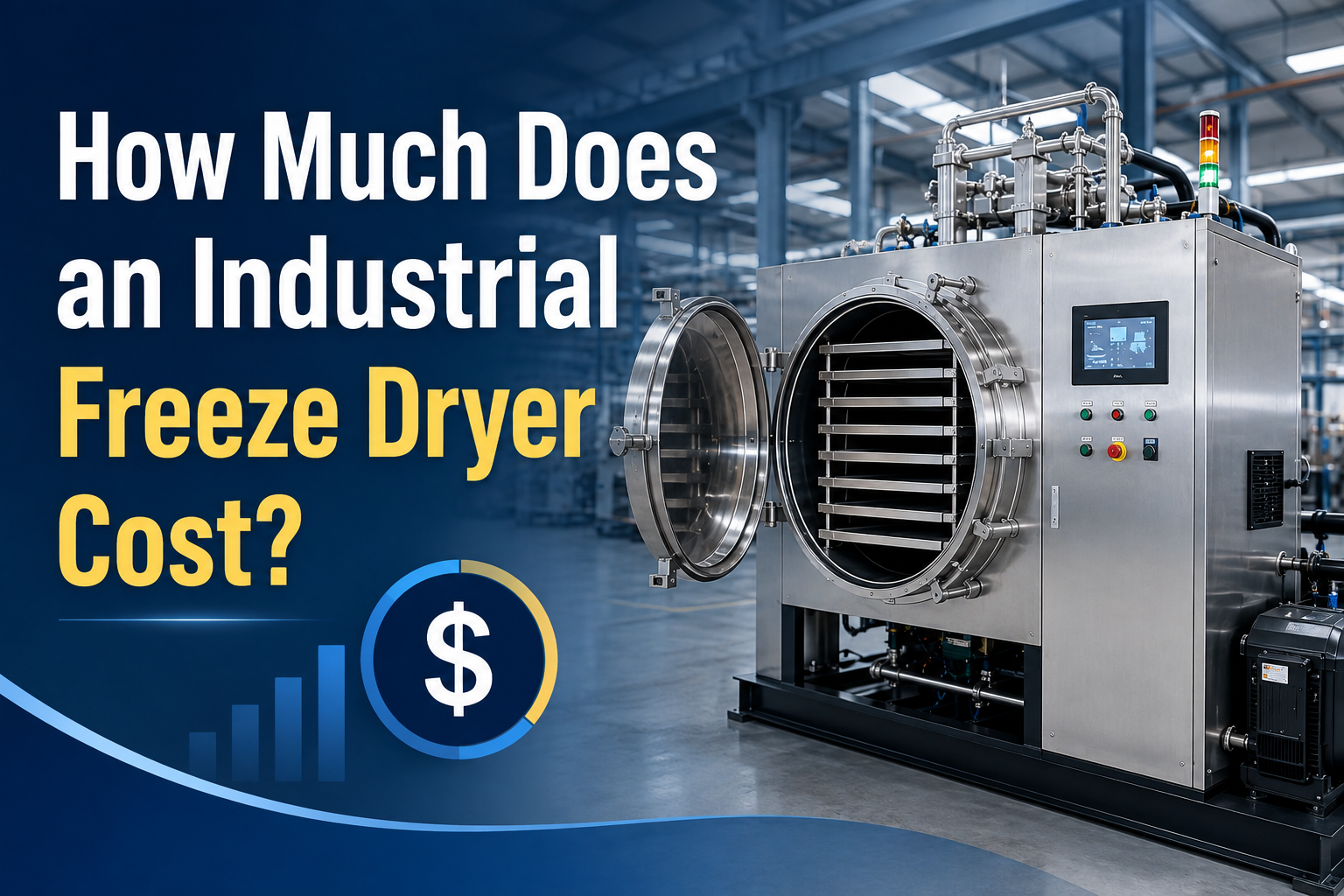
4. Scalability and ROI (Return on Investment)Finally, consider the true cost of your current drying methods. Traditional hot-air drying often leads to a 15-20% product rejection rate due to burning, shrinkage, or moisture retention. A high-quality freeze dryer eliminates this waste. When selecting equipment, consult with a manufacturer who can calculate your exact ROI based on the value saved by zero thermal degradation and perfect batch consistency.
Stop Compromising on QualityChoosing the right industrial freeze dryer is about matching physical preservation technology to your specific material.
Struggling to find the perfect moisture extraction parameters for your ingredients? Contact our process engineering team today to discuss tailored sublimation solutions and arrange a free material testing consultation.
Original link: https://www.dachangequip.com/ldgzjzx/328.html
Note: The copyright belongs to Ganzhou Dachang Air Conditioning Equipment Engineering Co., Ltd. For commercial reprints, please contact the author for authorization. For non-commercial reprints, please indicate the source.
Related Recommendations
Freeze drying machine information

Add WeChat
Main products: Vacuum pre cooling equipment, archive insecticidal disinfection and sterilization equipment, vacuum freeze dryer, thawing equipment, cultural relic archive image restoration equipment, low oxygen insecticidal disinfection machine, vacuum deodorization machine, dust removal disinfection and purification equipment, ultra-high pressure sterilization equipment, low oxygen chamber animal comfort equipment
Copyright © 2026 Dachang Equipment Equipment All rights reserved. XML
XML