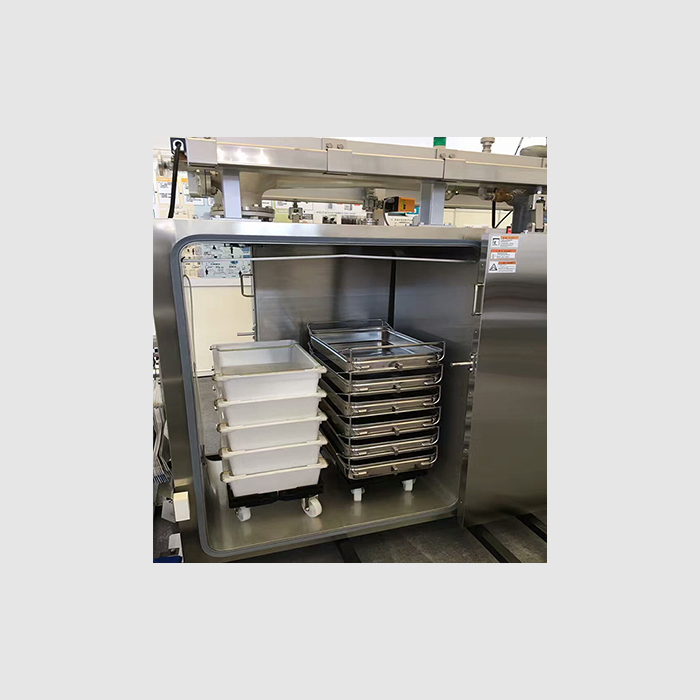
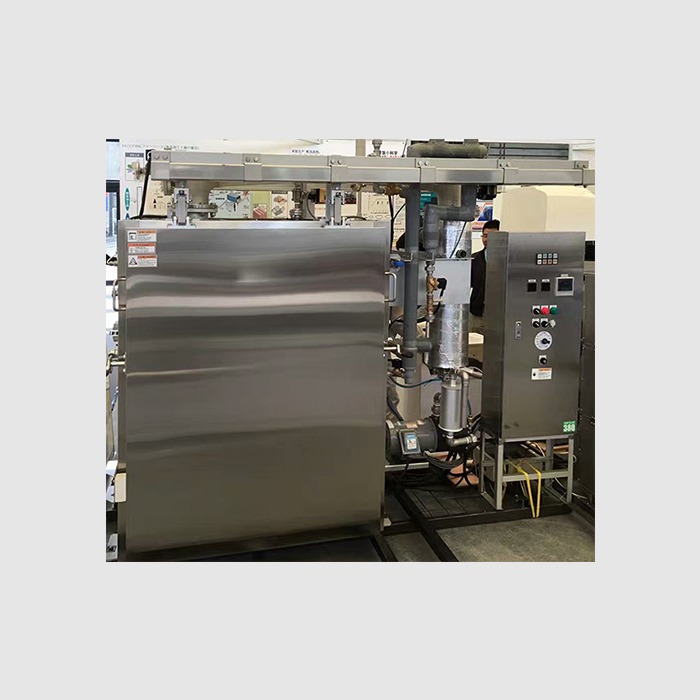
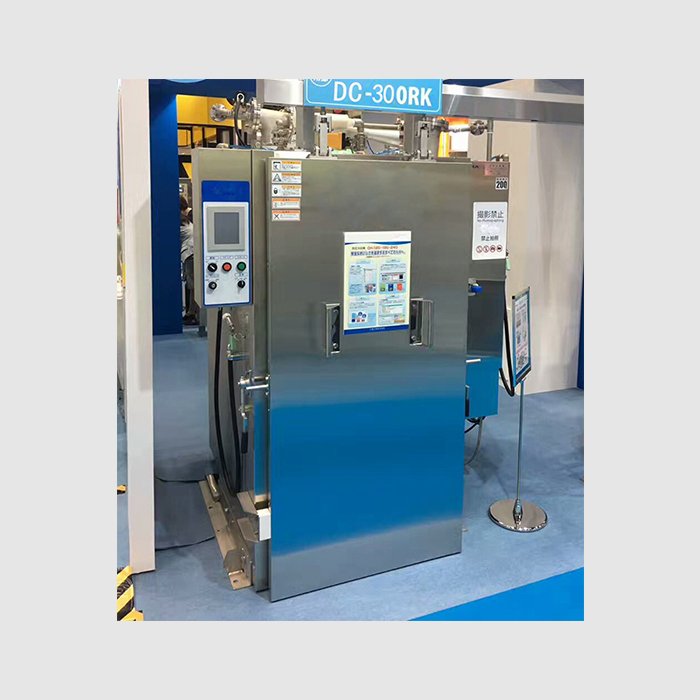
A rapid vacuum cooler is a device used for rapidly cooling high-temperature objects. It achieves rapid cooling by placing high-temperature objects in a vacuum environment and cooling them with a coolant. This type of equipment is commonly used in laboratory research, industrial production, and medical fields. The working principle of a rapid vacuum cooling machine is to place high-temperature objects into a vacuum chamber, and then use a vacuum pump to extract the air inside the vacuum chamber, making it in a vacuum state. Next, use a coolant to cool the high-temperature object to reduce its temperature. The coolant can be liquid nitrogen, liquid oxygen, or other low-temperature liquids. Rapid vacuum cooling machines have the advantages of rapid cooling, precise temperature control, and high reliability, and are therefore widely used in laboratory research, industrial production, and medical fields. For example, in chemistry, physics, and biology experiments, rapid vacuum cooling machines can be used to rapidly quench samples to obtain more accurate experimental results. In industrial production, rapid vacuum cooling machines can be used to quickly cool high-temperature metal parts to prevent deformation or damage. In the medical field, rapid vacuum coolers can be used to freeze viruses, cells, and tissues for preservation and research.
Features
A rapid vacuum cooler is an efficient cooling device with the following functional characteristics:
1. Rapid cooling: Through a vacuum sealed system, the material is isolated from the atmosphere, reducing the ambient temperature and allowing the material to rapidly cool down in a short period of time.
2. Vacuum sealing: A vacuum sealing system can prevent oxygen, moisture, and other pollutants from entering the material, ensuring the quality and freshness of the material.
3. Accurate temperature control: By controlling the vacuum degree and temperature, the cooling temperature of the material can be precisely controlled, improving cooling efficiency and quality.
4. Energy saving and environmental protection: The fast vacuum cooling machine adopts the design concept of energy saving and environmental protection, using low-power vacuum pumps and sealing materials to reduce energy consumption and noise, and minimize the impact on the environment.
5. Widely used: Fast vacuum cooling machines are widely used in industries such as food, medicine, chemical, and metallurgy, and can be used for various purposes such as cooling, drying, oxidation prevention, and recycling.
Working Principle
A rapid vacuum cooler is a device used for rapidly cooling high-temperature objects. Its working principle is to place high-temperature objects into a vacuum chamber and utilize the low-temperature characteristics of the vacuum environment to achieve rapid cooling. Specifically, the higher the vacuum level inside the vacuum chamber, the lower the temperature, resulting in a faster decrease in the temperature of the object. In addition, by changing the gas composition inside the vacuum chamber, the cooling rate can also be altered.
Application Areas
A rapid vacuum cooler is an efficient cooling device that can be used in multiple fields, including:
1. Food industry: Rapid vacuum cooling machines can be used for food processing and storage to reduce the temperature of food and extend its shelf life.
2. Pharmaceutical industry: Rapid vacuum cooling machines can be used for drug mixing and storage in the pharmaceutical process to ensure the quality and stability of drugs.
3. Chemical industry: Rapid vacuum cooling machines can be used for material cooling in chemical reaction processes to control reaction temperature and improve reaction efficiency.
4. Electronics industry: Rapid vacuum cooling machines can be used for cooling electronic components to prevent overheating and damage.
5. Other application areas include glass manufacturing, ceramic manufacturing, mechanical manufacturing, etc.
Equipment Parameters
The equipment parameters of the rapid vacuum cooling machine vary depending on the manufacturer and model. Here are some common parameters:
1. Vacuum degree: usually between 133Pa (10torr) and 266Pa (20torr).
2. Extraction speed: The amount of air extracted per minute, usually between 100 and 500 liters.
3. Cooling temperature: can reach between -100 ℃ and -180 ℃.
4. Machine dimensions: length x width x height, typically ranging from 600mm x 400mm x 800mm to 1500mm x 1000mm x 1500mm.
5. Electricity: Typically 380V, 50Hz, between 1.5kW and 7.5kW.
Please note that these parameters are for reference only, and the specific parameters should be determined based on the specific equipment.



 XML
XML