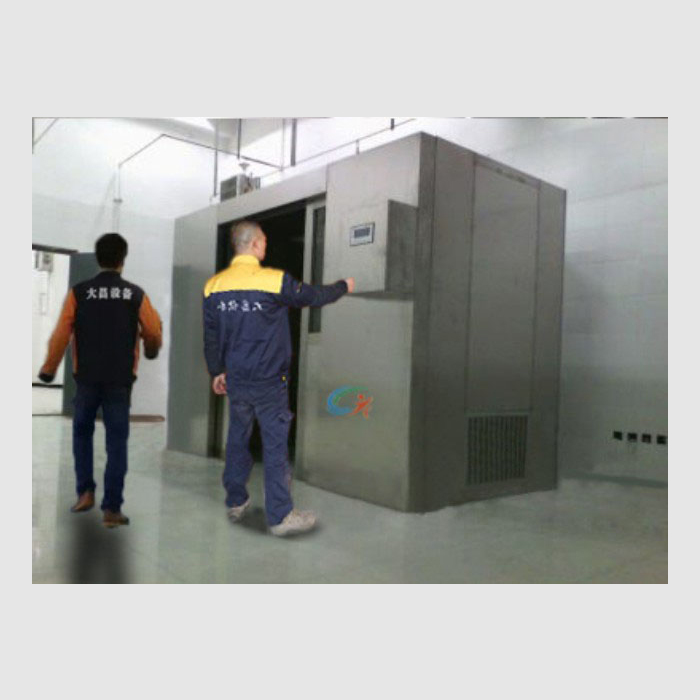
Archive dust removal and disinfection equipment is a specialized device used for archive management, which can effectively remove dust and bacteria from archives, protecting the safety and integrity of archives. Its working principle is to blow away the dust and bacteria on the surface of the archives through high-speed airflow, and then disinfect the archives through ultraviolet lamps or ozone generators. The archive dust removal and disinfection equipment has the following functions:
function
Dust removal: Archive dust removal and disinfection equipment can effectively remove dust from archives, keeping them clean and fresh.
Disinfection: Archive dust removal and disinfection equipment can disinfect archives through ultraviolet lamps or ozone generators, killing various bacteria and viruses, and protecting the safety and integrity of archives.
Environmental Protection: The dust removal and disinfection equipment for archives adopts an environmentally friendly design, which does not produce harmful substances and does not pollute the environment.
Convenience: The dust removal and disinfection equipment for archives is easy to operate, just put the archives into the equipment, and the dust removal and disinfection process can be automatically completed.
Development history of equipment
Archives are a reflection of history and evidence for investigating history. The difficulty of preserving archives increases with time, and dust, especially the natural enemy of archives, can easily corrode the materials of archives and provide a breeding ground for bacteria. Therefore, the archive dust removal system has emerged. The archive dust removal cabinet, archive dust removal room, and archive dust removal disinfection system are newly developed by Yichun Company as a purification equipment for dynamic dust removal and sterilization of archives. The wind speed can be adjusted according to needs, the blowing direction can be adjusted, the dust removal and sterilization effect is good, and the sterilization time can be freely set.
With the advancement of technology and the improvement of human consciousness, archive preservation has become increasingly important, especially for some ancient and significant archives that have become a top priority among national units, related enterprises, and parties involved. However, the preservation of archives requires high environmental requirements, which have extremely high requirements for fire prevention, moisture prevention, and mold prevention in the storage area. Usually, these places require constant temperature and humidity. In addition, we also need to prevent bacteria and termites in the air from corroding the archives. Once a termite appears in the warehouse, the environment of the entire warehouse will become extremely dangerous. At the same time, old archives are prone to dust and mold accumulation on their surfaces. Archive operators working in such an environment for a long time are prone to inhaling moldy air and dust, which can have a certain impact on their respiratory tract and physical and mental health. So dust removal, disinfection, and sterilization have been increasingly emphasized. Our archive storage facilities should take preventive measures in advance, take various protective measures in advance, avoid and prevent huge losses caused by archive damage, and at the same time, make archive management and use more scientific and intelligent to better protect the physical and mental health of staff.
About price
The price of archive dust removal and disinfection equipment varies depending on the brand, model, and specifications, generally ranging from tens of thousands to tens of thousands of yuan. The specific quotation needs to be determined based on your needs and budget.
We have briefly introduced the dust removal and disinfection equipment for archives here. In summary, this article mainly discusses the functions, principles, development history, and specific pricing of the equipment; If you want to know the specific information about the equipment, please contact our staff.


 XML